
Small evergreen tree or tall shrub ; plant up to 5 m high . Stems heavely branched , glabrous ; young branches in pronounced zigzag pattern , mahogany-red ; stipular spines straight , paired , 7-23 mm . Leaves alternate , 8-14 x 14-57 mm , 3-nerved from the base , lanceolate-ovate , apex acute to retuse , base unequal , margin entire , glabrous , dark green above , duller beneath ; petiole 2-20 mm , densely pubescent . Inflorescences in dense clusters in the axils of the leaves ; pedicel 7-8 mm . Flowers yellowish-green ; sepals 1 . 5-2 mm , glabrous above , densely tomentose below ; disc 10-lobed ; petals white , slightly longer than the sepals ; ovary densely tomentose at base , becoming glabrous . Fruit drupe , 10-25 mm in diameter , globose , yellowish tinged reddish-brown when ripe , 1- seeded . Seeds compressed . (Ref . Flora of Oman ; vol . 2) .
No Data
Endemic (EN) - Least Concern (LC) - Global Assessment
Frequent
الوصف غير متاح حاليًا
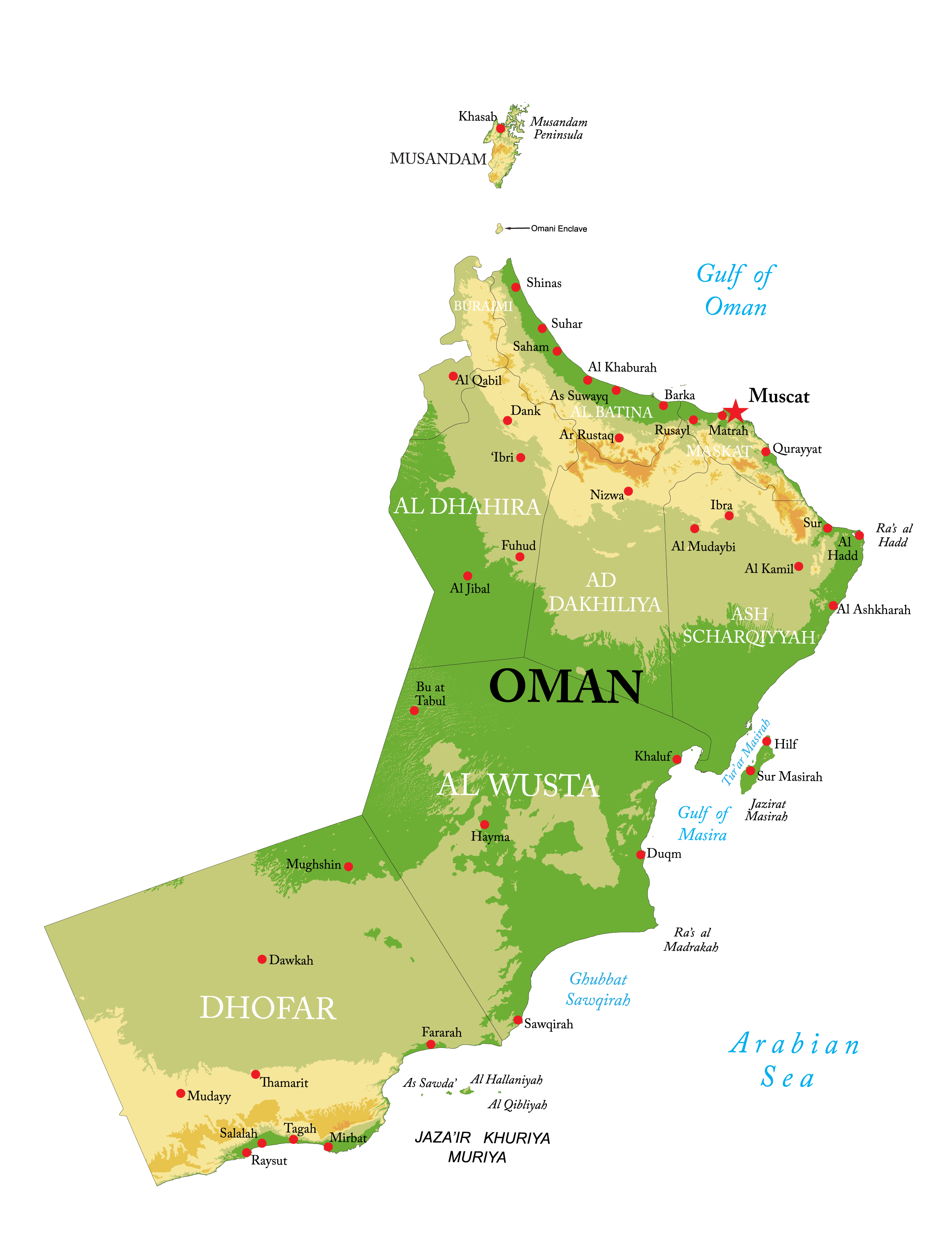
Not available
This tree is propagated by seeds. Steps to follow: • Sow collected seeds in seed tray filled with a ratio of 3 peat moss: 1 compost, 5 cm apart. • Pre-treat with water (tap temperature.) soaking seeds for 24 hours to get a good result, and scarify seed coat. • Irrigate the seed tray three times a week. • Germination commences from 8–61 days. Seed germination of this species is low and average germination is around 6%.
maintenanceAr.Item1
Hajar Ziziphus
Hajar Jujube
Hajar Jujube Tree
In Omani studies: Richardson & Dorr (2003) wrote that: "Mahjan-type axe of hand-forged steel, mounted on a handle of qasam wood (Ziziphus hajarensis). Used by Bedouin herdswomen of the Eastern Hajar mountains". (Ref. Oman Craft heritage Book). In addition, Ghazanfar (2007) mentioned that: "The fruit and kernels are eaten fresh by local people (the fruits persist for several months on the trees). The branches are stripped of their bark and used as axe handles for lowering and cutting leaves off trees for goat fodder by the local inhabitants in the Jebel Bani Jabir area (eastern Hajar). (Ref. Flora of Oman, vol. 2). Further, Patzelt (2015) stated that: "Fruit and kernels are eaten fresh by local people, and the wood is used in the fabrication of axes. The powdered leaves are occasionally used as shampoo". (Ref. Photographic field guide to the plants of the Western Hajar Mountains).
*Ghazanfar, S. (2007). Flora of the Sultanate of Oman, vol.2: Crassulaceae – Apiaceae. Meise, National Botanic Garden of Belgium (Scripta Botanica Begica, Vol. 36). ISBN 9789072619747 ISSN 0779-2387. *https://en.wikipedia.org *Miller, A., Morris, M. (1988). Plants of Dhofar, the Southern Region of Oman: Traditional, Economic, and Medicinal Uses. Published by Office of the Adviser for Conservation of the Environment, Diwan of Royal Court, Sultanate of Oman; ISBN 10: 0715708082 ISSN 13: 9780715708088. *Richardson, N. Dorr, M. (2003). The Craft Heritage of Oman; vol. 1. Published by Motivate publishing. ISBN 1-86063-1576. *Patzelt, A. (2015). Photographic Field Guide to the Plants of the Western Hajar Mountains, Sultanate of Oman: with a complete checklist of vascular plant species. Sultan Qaboos University – Academic Publication and Outreach Department. P.O Pox (17) Postal Code (123), Muscat, Al khoudh, Sultanate of Oman. *POWO (2023). ""Plants of the World Online. Facilitated by the Royal Botanic Gardens, Kew. Published
...