
A small intricately spiny branched shrub ; up to 2 m tall , with white bark . Stems and branches strongly zig-zagging , thinly hairy , reddish tinged when young ; spines one of each pair straight up to 2 cm long , the other shorter and hooked up to 0 . 5 cm long . Leaves alternate or fascicled on short condensed side shoots , 5-15 x 2-5 cm , obscurely 3-nerved from the base , oblong-elliptic , tip rounded or retuse , base rounded , margin entire . Inflorescences in lax few-flowered clusters in the axils of leaves . Flowers yellowish-green ; sepals 2-2 . 5 x 1 . 5-1 . 8 mm , thinly hairy ; petals ± 2 x 0 . 5 mm , hooded at apex ; disk 10-lobed ; stamens 5 ; ovary 2-locular , loculi 1-ovulate ; styles short , divided above into 2 lobes . Fruit drupe , 5-7 mm in diameter , globose , glabrous , dark orange . Seeds ± 4 . 5 x 4 mm , hemi-spherical , strongly compressed , with a pointed tip , pale brown . (Ref . Flora of Oman ; vol . 2) .
No Data
Regional Endemic (RE) - Least Concern (LC) - National Assessment
Frequent
الوصف غير متاح حاليًا
Rhamnus leucodermis Baker
No data
maintenanceAr.Item1
Not known
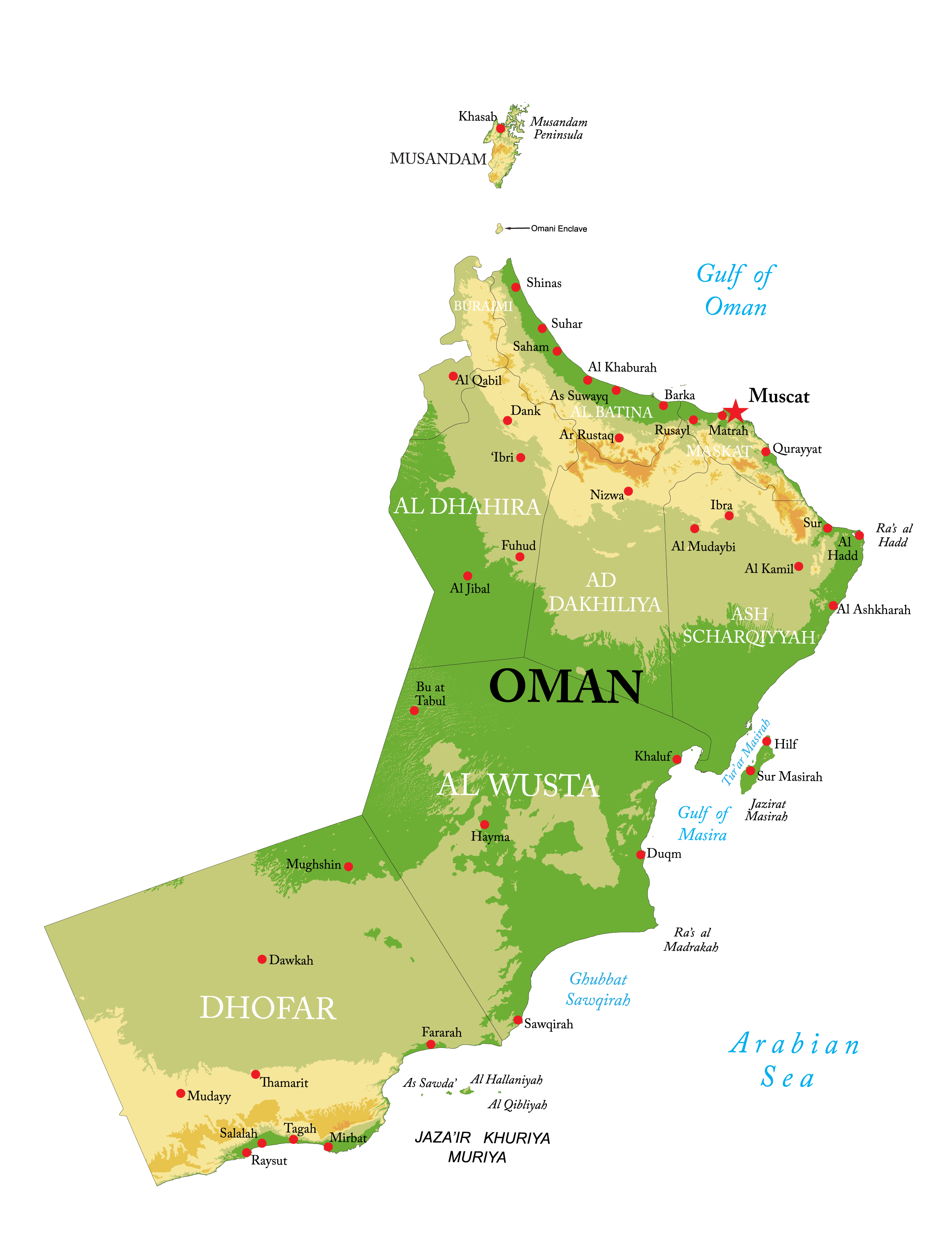
In Omani studies: Miller & Morris (1988) wrote that: "These bushes grow in the drier areas of Dhofar as well as in the truly desert areas. The shrub is most viciously thorned, catching and clinging to the skin and clothing of those trying to gather the fruit. The fruit [J: jerum, DA, J: dom] were formerly of great nutritional importance, especially in the areas outside the range of the monsoon rains, such as the Neged. The larger Ziziphus spina-christi with its bigger fruit does not grow in such dry places and other wild foods too are few in comparison to their abundance in the monsoon areas. The fruit are smaller than those of the other Ziziphus, and ripen to a dark orange (rather than the bright yellow of Z. spina-christi). They are equally sweet and delicious, with a single large pip, which was ground up and eaten with the flesh
...

*Ghazanfar, S. (2007). Flora of the Sultanate of Oman, vol.2: Crassulaceae – Apiaceae. Meise, National Botanic Garden of Belgium (Scripta Botanica Begica, Vol. 36). ISBN 9789072619747 ISSN 0779-2387. *https://en.wikipedia.org *Miller, A., Morris, M. (1988). Plants of Dhofar, the Southern Region of Oman: Traditional, Economic, and Medicinal Uses. Published by Office of the Adviser for Conservation of the Environment, Diwan of Royal Court, Sultanate of Oman; ISBN 10: 0715708082 ISSN 13: 9780715708088. *Patzelt, A. (2015). Oman Plant Red Data Book. Published by Diwan of Royal Court, Sultanate of Oman. Oman Botanic Garden Publication No. 1. ISBN 978-99969-50-10-0. *POWO (2023). ""Plants of the World Online. Facilitated by the Royal Botanic Gardens, Kew. Published on the Internet; http://www.plantsoftheworldonline.org
