
Intricately branched shrub or tree ; up to 10 m tall , with a spreading crown , trunk may be divided near the base . Stems and branches spiny , often zigzagging , thinly hairy when young ; spines one of each pair straight up to 2 . 5 cm long , the other shorter and hooked up to 0 . 5 cm long (may be absent in cultivated plants) . Leaves alternate , 2-4(-6) x 1 . 5-3 cm , ovate to elliptic , with three conspicuous veins rising from the base , light green , glabrous or thinly hairy beneath along the veins , apex acute to rounded , base rounded to subcordate , margin finely crenate-serrate ; petiole (3-)10-15(-20) mm . Inflorescences in lax (5-)10-25-flowered clusters in the leaf axils ; peduncles 1-2 mm long . Flowers cream or yellowish-green , finely pubescent , fragrant ; sepals ± 1 . 5 x 2 mm ; petals ± 1 . 5 x 1 mm , hooded at apex ; disk 10-lobed ; stamens 5 ; ovary 2-locular , loculi 1-ovulate ; styles short , divided above into 2 lobes . Fruit
...

drupe , ± 1-1 . 5 cm in diameter , globose , glabrous , green turning yellowish or reddish-brown when mature , 1-seeded . Seeds c . 4 . 5 x 4 mm , obovate , strongly compressed , with a pointed tip , pale brown . (Ref . Flora of Oman ; vol . 2) .
No Data
Not Evaluated (NE)
Common
الوصف غير متاح حاليًا
Girtanneria spina-christi (L.) Neck.
Rhamnus spina-christi L.
Ziziphus napeca Lam.
This tree is propagated by seeds. Steps to follow: • Sow collected seeds in seed tray filled with a ratio of 3 peat moss: 1 compost, 5 cm apart. • Pre-treat with water (tap temperature) soaking seeds for 24 hours to get a good result. Irrigate the seed tray three times a week. • Germination commences from 6–25 days. Seed germination of this species is good and average germination is around 82%.
maintenanceAr.Item1 maintenanceAr.Item3
Christ's Thorn Jujube
Syrian Christ's Thorn
In Omani studies: Miller & Morris (1988) wrote that: "This graceful tree with its trailing branches and delicate pale green foliage grows widely throughout the monsoon affected areas of Dhofar. The fruit [J: dut: dom] were in earlier times a crucial source of nourishment, and the trees were carefully stripped of their fruit which was kept stored in a dry place against future need. The whole fruit was eaten, kernel [J: teyrus] and all, handfuls being ground between two rocks to produce an edible mealy substance which was either eaten raw, or was cooked in water, milk or buttermilk. Huge quantities were picked and taken down to the markets of the plains to be sold. The fruit are not only filling, but were also regarded as having purifying properties: cleansing the stomach and removing impurities from the blood, as well as being a restorative for the whole system. Taken in
...
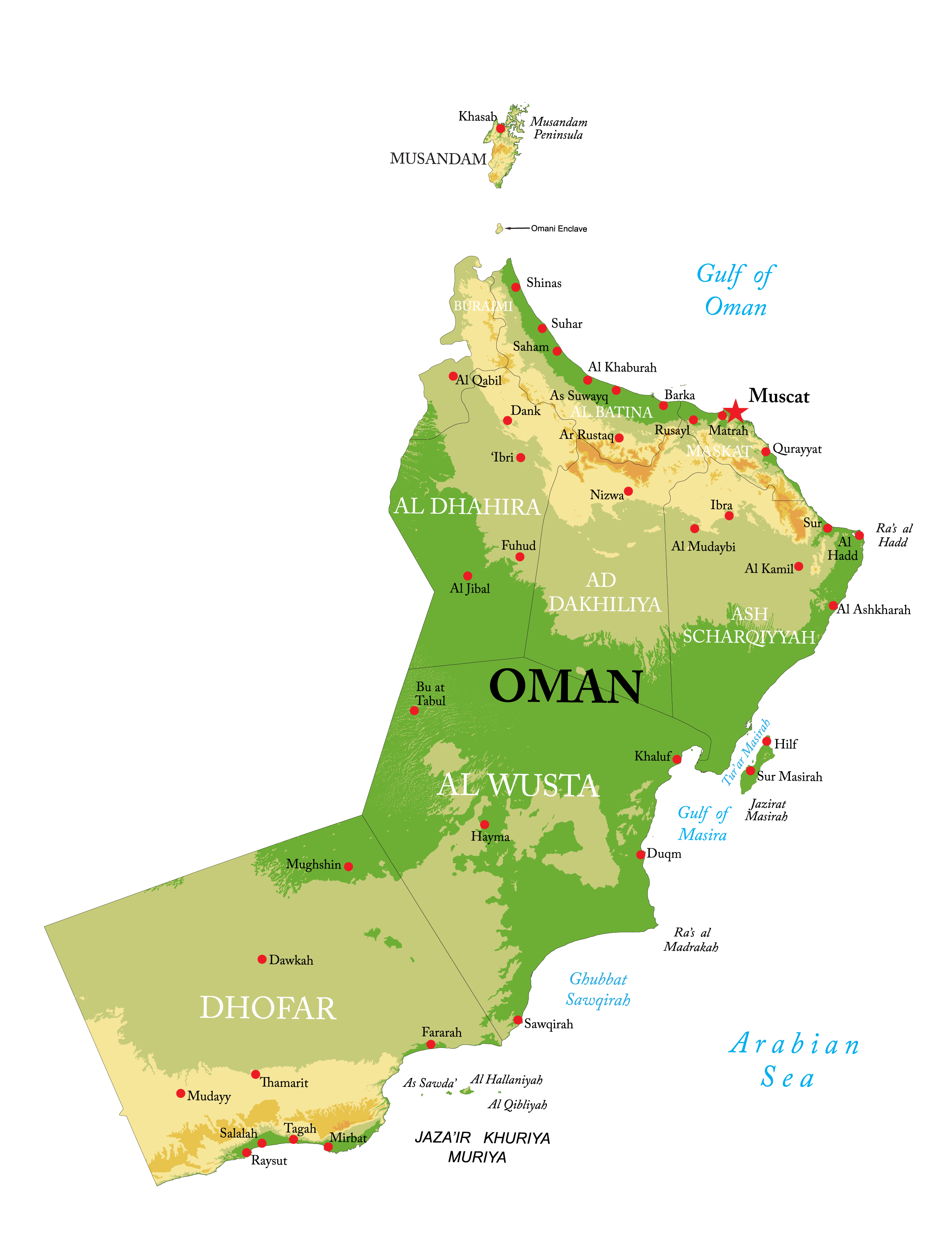
large quantities they were said to act as an emmenagogue, and were occasionally also tried as an abortifacient. The leaves of the plant were crushed or chewed and used as a cleansing agent for the whole body, but especially for the hair and scalp. The crushed leaves were also applied as a paste to swellings and infected sores, or to swollen and painful joints, though the leaves of the related Ziziphus leucodermis were on the whole preferred for the treatment of such conditions. The water in which crushed leaves has been boiled and left to macerate was given to a woman in prolonged labour or with a retained placenta for its oxytoxic properties. The wood was much loved for the manufacture of utensils such as ladles, spoons and scoops. These were carved, fire-hardened and finally rubbed with butter or fat to make them glossy and waterproof. The heartwood was preferred if possible, as it is especially close-grained and strong and also of a lovely deep red colour. Wood from this tree was used too to make the milk-stone tongs. The flowers of this and other Ziziphus species are an important bee forage, locally and world-wide. As fodder, the foliage of this tree was only browsed by livestock in the drier seasons. In the north of Oman the tree is called sidr, and its fruits were equally appreciated in this part of the Sultanate. The kernels were also used medicinally, being crushed and eaten daily as a treatment for pneumonia. The cooked leaves were ground to a paste and used to treat headache, or applied as a lotion to soothe skin ulcers and sores, to treat bruised or damaged fingers and to lessen the pain and inflammation of a fractured limb. (Ref. Plants of Dhofar). In addition, Richardson & Dorr (2003) mentioned that: "Crooks of indigenous samr (Acacia tortilis), qarat (Acacia nilotica) and sidr (Ziziphus spina-christi), obtained from the Omani interior, are used for ribwork (of boat-building industry), together with mit, imported from the Horn of Africa. The frames or ribs are made from local sidr, qarat or samr wood. The batten and reed (of the pit loom weaving device) is a pendulum device, drawn against the weft in order to tighten the woven fabric. Some braid-loom weavers use a comb-like spacer, carved from sidr wood, to keep the warp aligned. Hardwood is an important but limited material, used for small items such as camel saddles, tent posts and pegs, spindles, camel sticks and cross-bars for weaving looms. Two types of saddle tree are used in Oman. The sturdy shdad madalla', used for carrying heavy loads, is large, approximately 40 cm high and 35 cm across the base of the arch. The shdad katibi is smaller, approximately 20 cm high and 20 cm wide, and is used for travelling and ceremonial events. The shdad katibi is often intricately carved, and may feature brass inlay. For the colouring of the cotton dishdashah, the most commonly used plant pigments are derived from waris (Flemingia rhodocarpa or Flemingia grahamiana), zi 'faran (Crocus sativus), sidr (Ziziphus spina-christi), and nabat al- 'arta (Calligonum comosum). Wood is perhaps the most versatile of all the materials used by Southern Omani craftsmen. Obtained from acacia, sidr, wild olive, fig and other deciduous trees of the Southern Oman mountains and escarpment woodlands, its uses range from the building of roundhouses and staking of tents, to sticks and staves carried by herders and a range of weaponry including spears, throwing sticks, bows, arrows and clubs. Wood is also used for ladles, fire tongs and other household articles, and for the frame of the child's carrying cot. Red pigment is obtained from the under bark of it ". (Ref. Oman craft heritage Book). Furthermore, Ghazanfar (2007) stated that: "Frequently cultivated with fruits sold locally in village markets. The leaves have long been used as soap and powdered leaves as shampoo, a use still common today. Leaves, seeds and bark have been used for medicinal treatment. The 'sidr' tree is mentioned aeveral times in the Qur'an: in a description of paradise (LVI: 14, 16), of a garden (XXXI: 15) and as a landmark associated with a vision of thhe Prophet (LIII: 14, 16)". (Ref. Flora of Oman, vol. 2).
*Ghazanfar, S. (2007). Flora of the Sultanate of Oman, vol.2: Crassulaceae – Apiaceae. Meise, National Botanic Garden of Belgium (Scripta Botanica Begica, Vol. 36). ISBN 9789072619747 ISSN 0779-2387. *https://en.wikipedia.org *Miller, A., Morris, M. (1988). Plants of Dhofar, the Southern Region of Oman: Traditional, Economic, and Medicinal Uses. Published by Office of the Adviser for Conservation of the Environment, Diwan of Royal Court, Sultanate of Oman; ISBN 10: 0715708082 ISSN 13: 9780715708088. *Richardson, N. Dorr, M. (2003). The Craft Heritage of Oman; vol. 1. Published by Motivate publishing. ISBN 1-86063-1576. *Hammer, K. Gebauer, J. Al Khanjari, S. Buerkert, A. (2009). Oman at the cross-roads of inter-regional exchange of cultivated plants. Gene Resour Crop Evol (2009) 56:547-560. Springer Science+Business Media B.V. 2008. DOI 10.1007/s10722-008-9385-z. *Pickering, H. Patzelt, A. (2008). Field Guide to the Wild Plants of Oman. Kew publishing, Royal Botanic Garden, Kew. ISBN 9781842461778. *POWO (2023). ""Plants of the World Online.
...
Facilitated by the Royal Botanic Gardens, Kew. Published on the Internet; http://www.plantsoftheworldonline.org