Cultivated
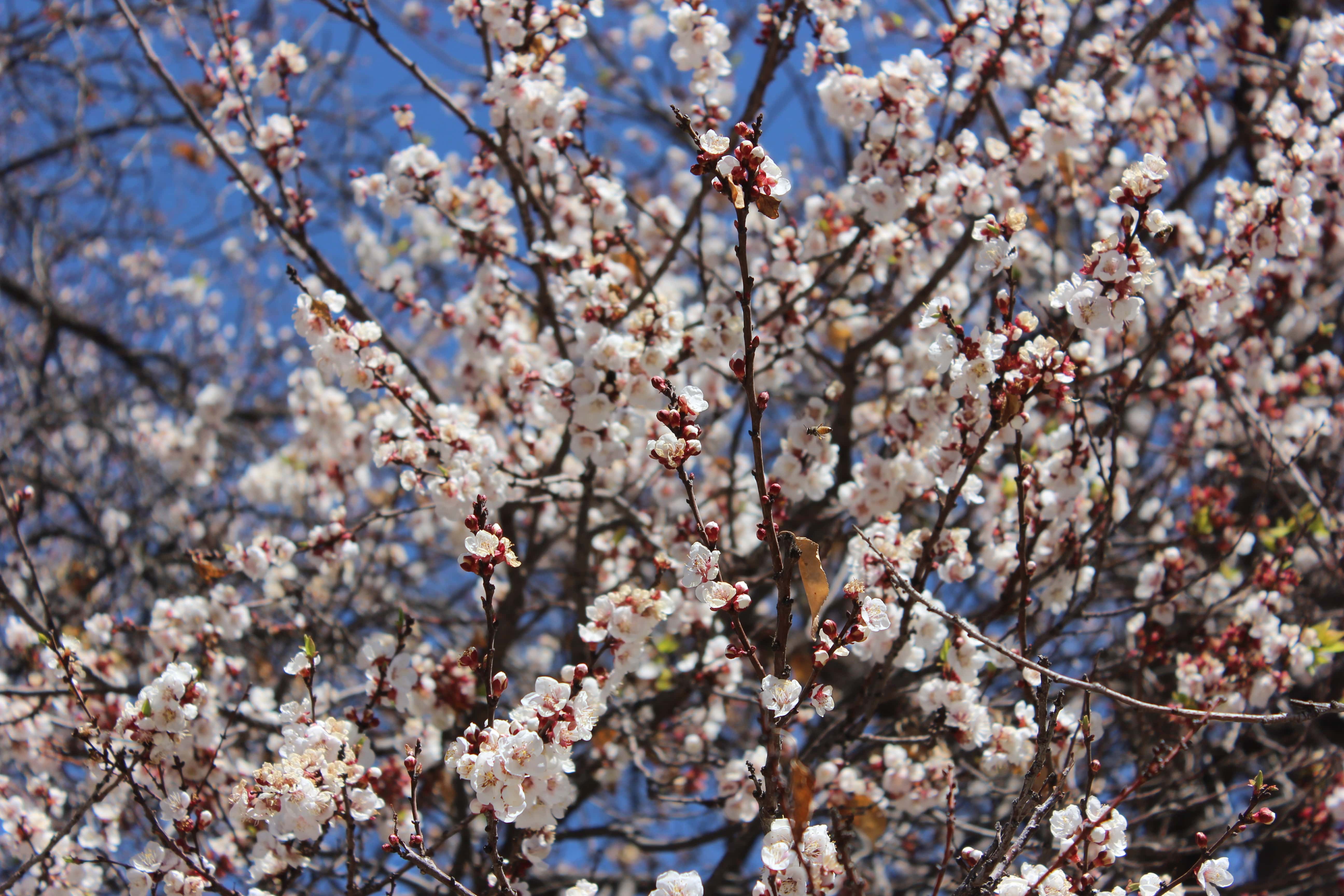
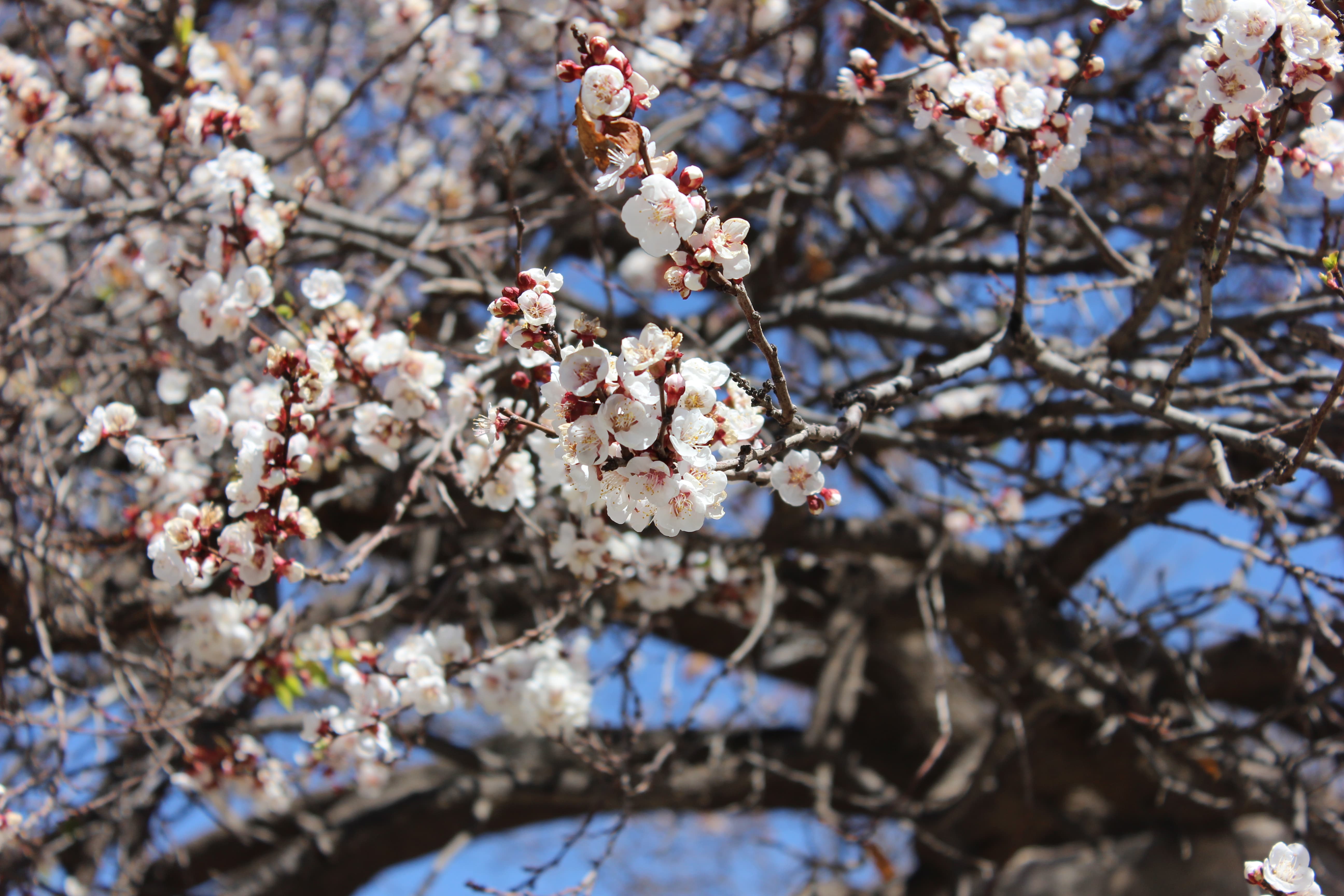
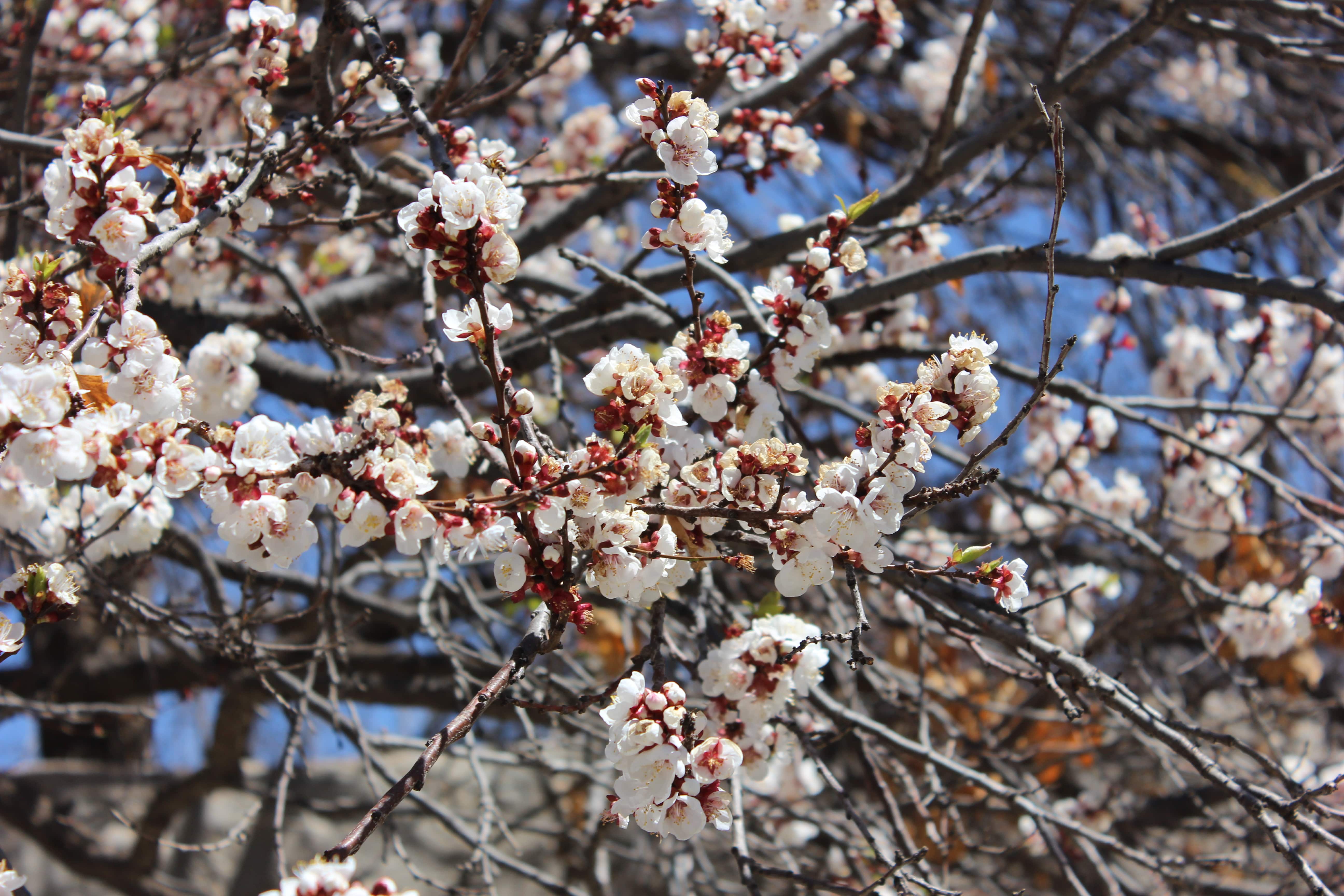
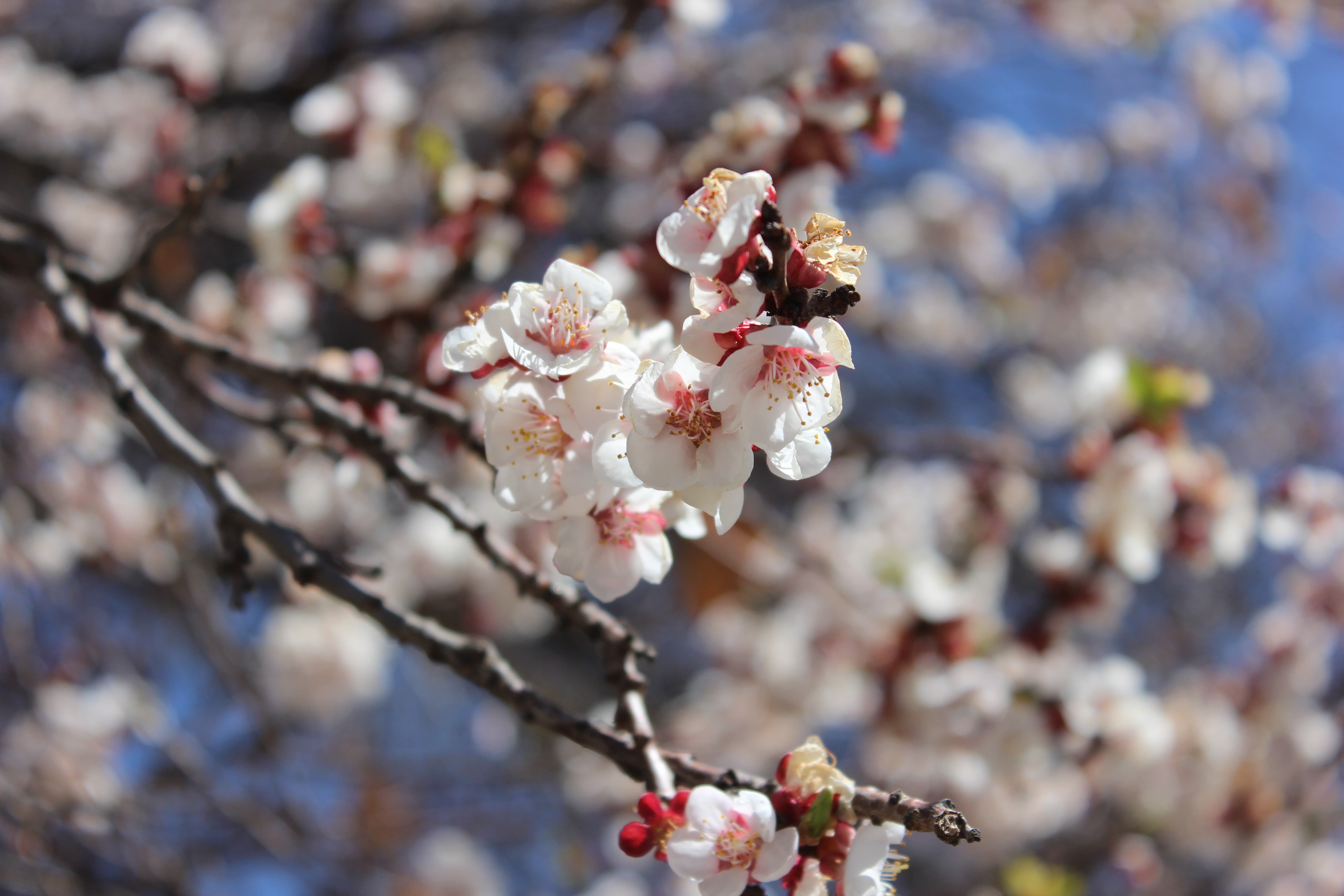
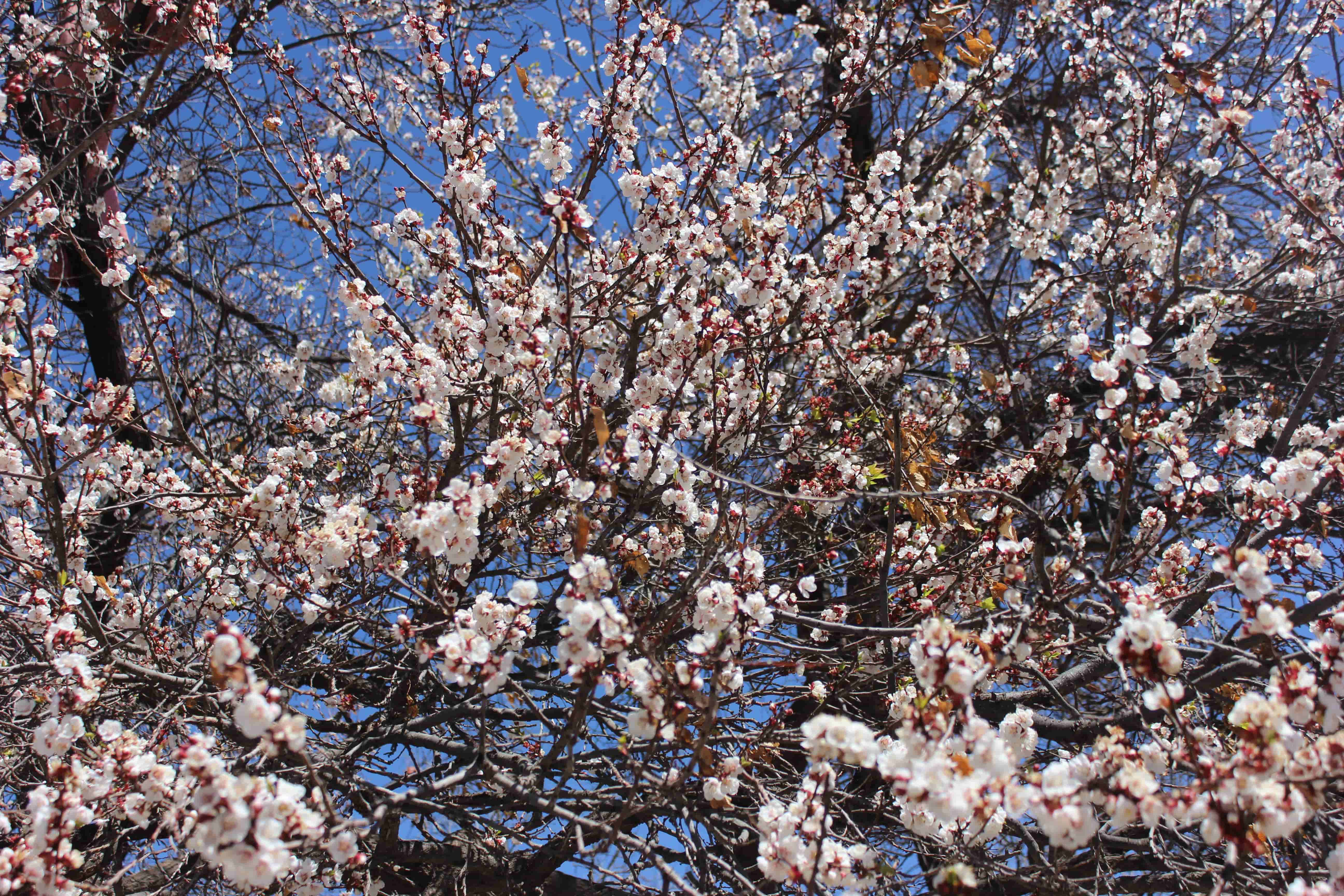
Prunus_armeniaca_2-06082024 © OBG
Prunus_armeniaca_3-06082024 © OBG
Prunus_armeniaca_4-06082024 © OBG
Prunus_armeniaca_5-06082024 © OBG
Prunus_armeniaca-06082024 © OBG
Deciduous shrub or small tree ; up to 8-12 m tall , with a dense spreading canopy . Stems with green , glabrous branches . Leaves 5-10 x 5-8 cm , broadly ovate , tip acute or shortly acuminate , base rounded or subcordate , margin crenate-serrate , glabrescent . Inflorescences borne singly or in pairs in early spring before the leaves , subsessile . Flowers white or pale pink , 10-15 mm . Fruit 3-5 cm , subglobose , smooth or shortly hairy surface , ranging in color from yellow to orange , often tinged red on the sude most exposed to the sun ; the flesh is usually firm but juicy ; the single seed is enclosed in a hard shell , often called a ‘stone’ . (Ref . Photographic Field Guide to the Plants of the Western Hajar Mountains ; 2015) .
No Data
Data Deficient (DD) - Global Assessment
Not Common
الوصف غير متاح حاليًا
Amygdalus armeniaca (L.) Dumort.
Armeniaca armeniaca (L.) Huth
Prunus tiliifolia Salisb.
No data
maintenanceAr.Item1
Apricot
Armenian Plum
In Omani studies: Patzelt (2015) wrote that: "The apricot is grown as a highly valued fruit crop plant. The fruits are eaten raw, but can also be used in baking and to prepare deserts". (Ref. Photographic Field Guide to the Plants of the Western Hajar Mountains; 2015).
*Ghazanfar, S. (2007). Flora of the Sultanate of Oman, vol.2: Crassulaceae – Apiaceae. Meise, National Botanic Garden of Belgium (Scripta Botanica Begica, Vol. 36). ISBN 9789072619747 ISSN 0779-2387. *https://en.wikipedia.org *Miller, A.G. & Cope, T.A. (1996). Flora of the Arabian Peninsula and Socotra 1: 1-586. Edinburgh university press. ISBN 0748604758. *Patzelt, A. (2015). Photographic Field Guide to the Plants of the Western Hajar Mountains, Sultanate of Oman: with a complete checklist of vascular plant species. Sultan Qaboos University – Academic Publication and Outreach Department. P.O Pox (17) Postal Code (123), Muscat, Al khoudh, Sultanate of Oman. *Hammer, K. Gebauer, J. Al Khanjari, S. Buerkert, A. (2009). Oman at the cross-roads of inter-regional exchange of cultivated plants. Gene Resour Crop Evol (2009) 56:547-560. Springer Science+Business Media B.V. 2008. DOI 10.1007/s10722-008-9385-z. *POWO (2023). ""Plants of the World Online. Facilitated by the Royal Botanic Gardens, Kew. Published on the Internet; http://www.plantsoftheworldonline.org
