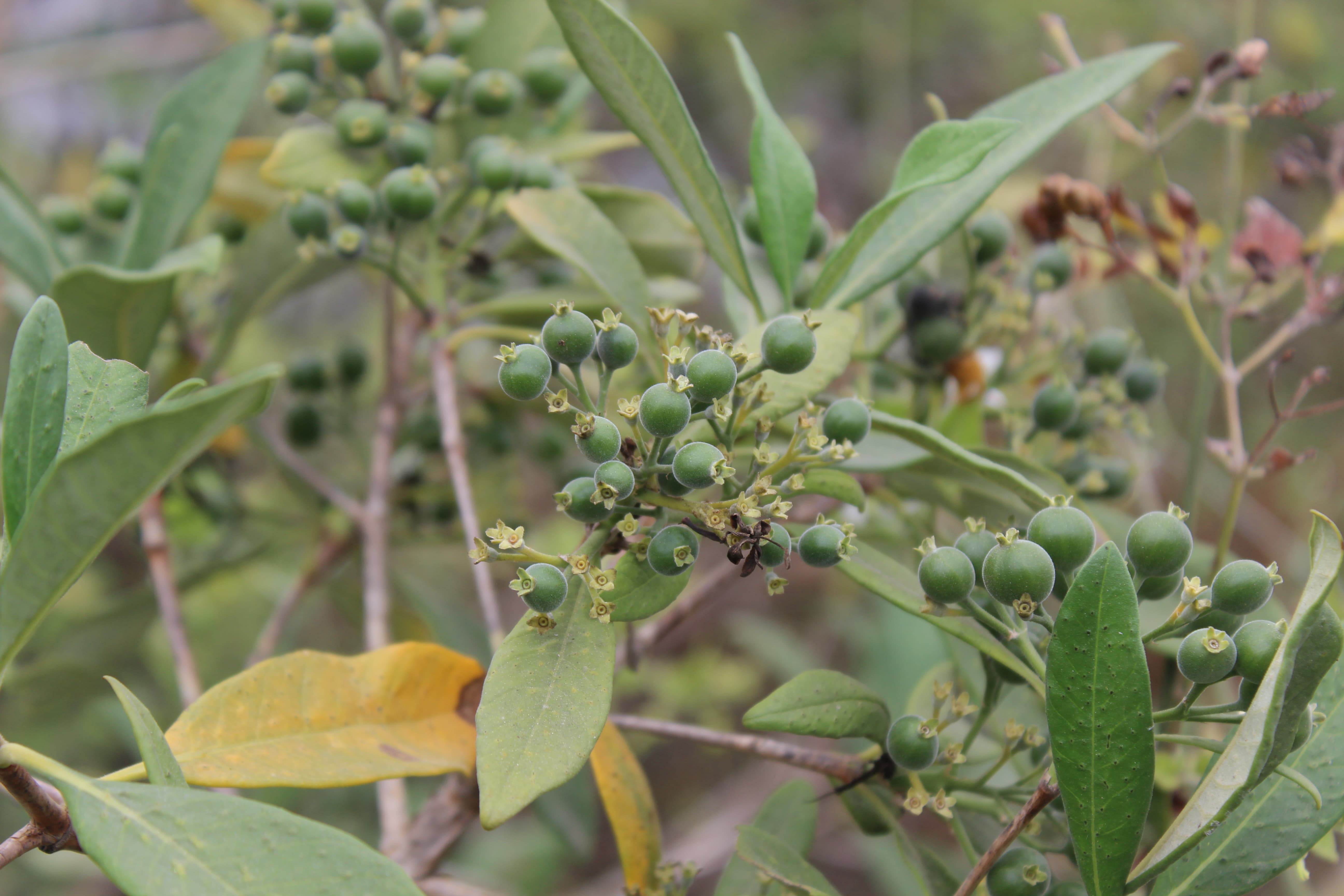
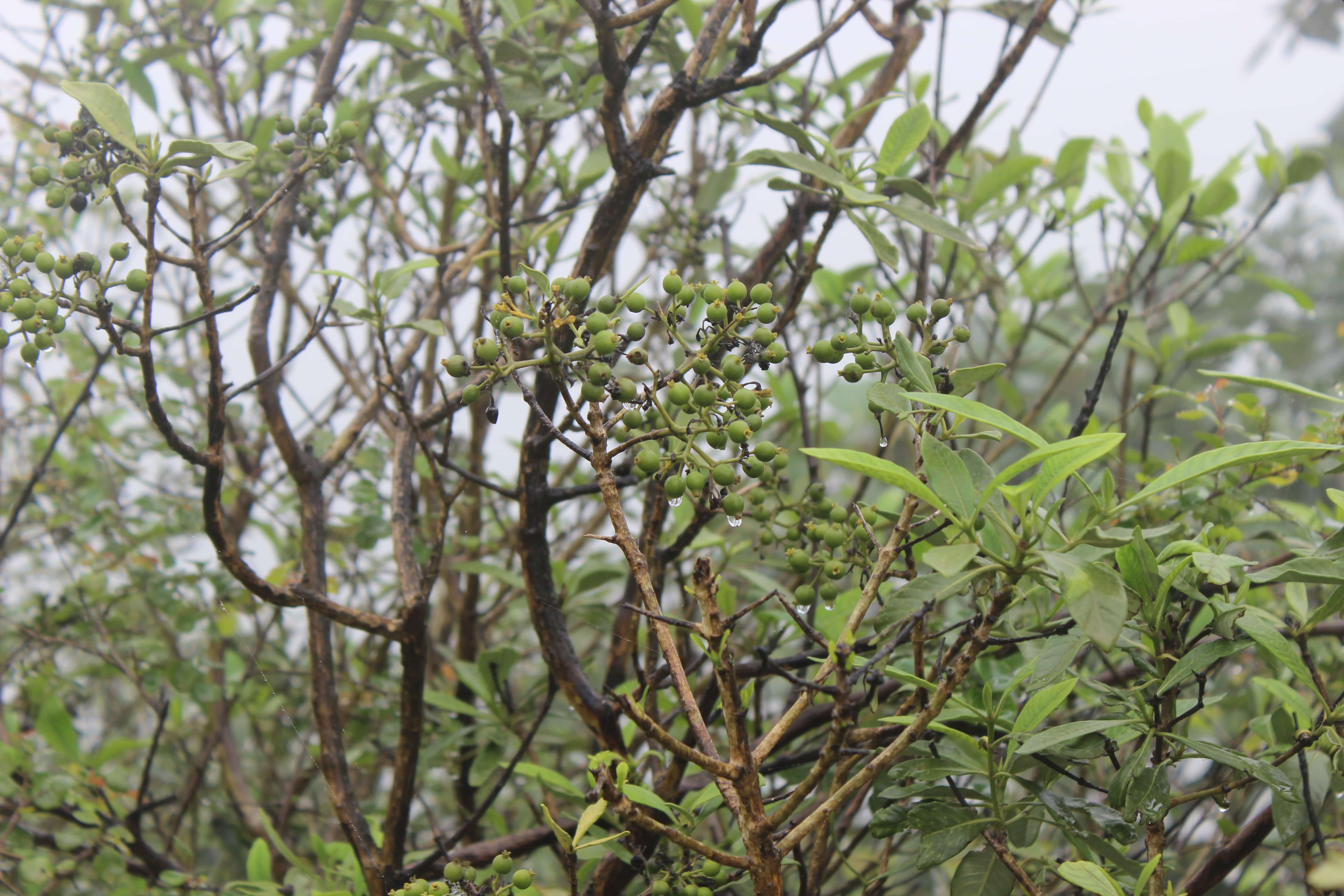
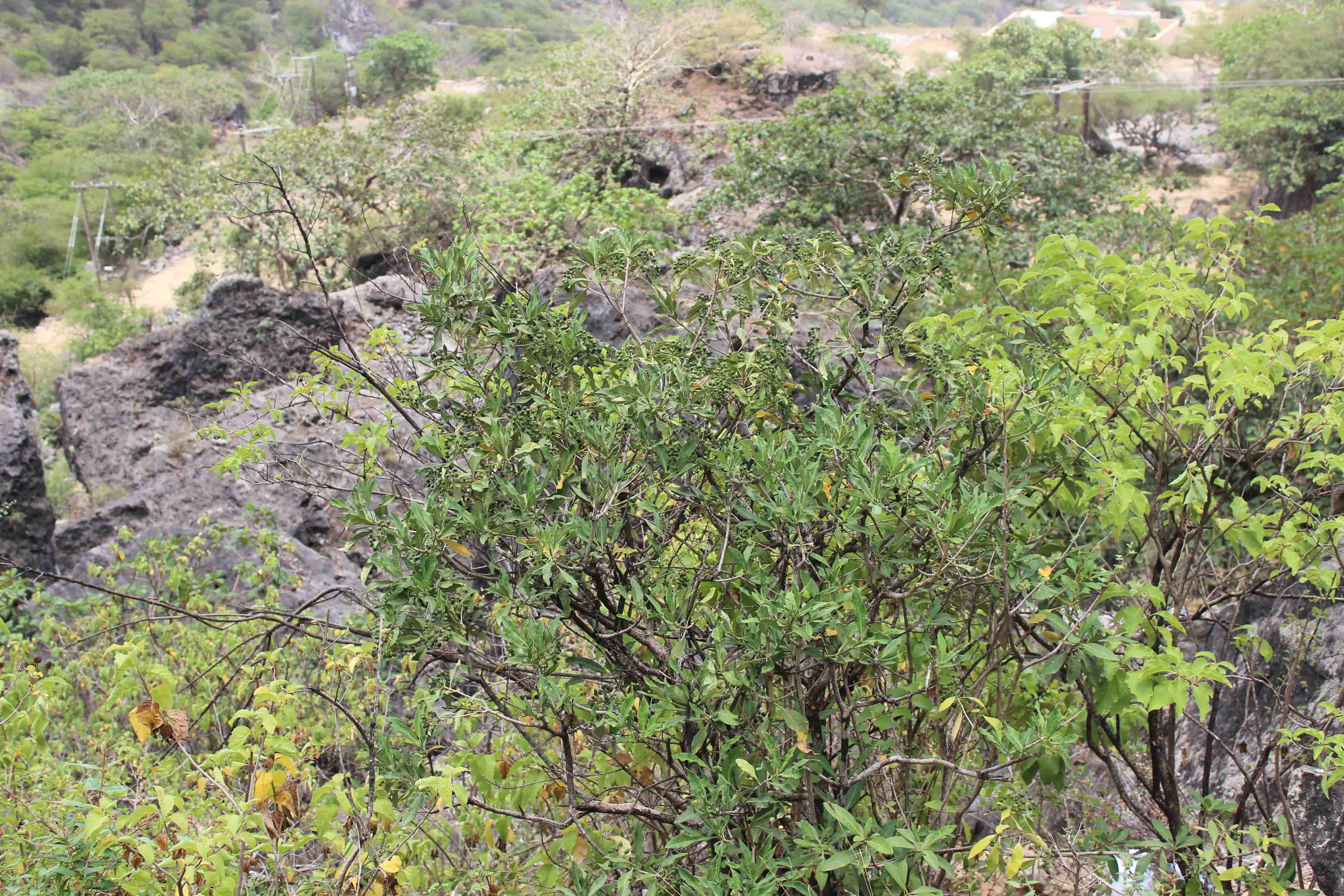
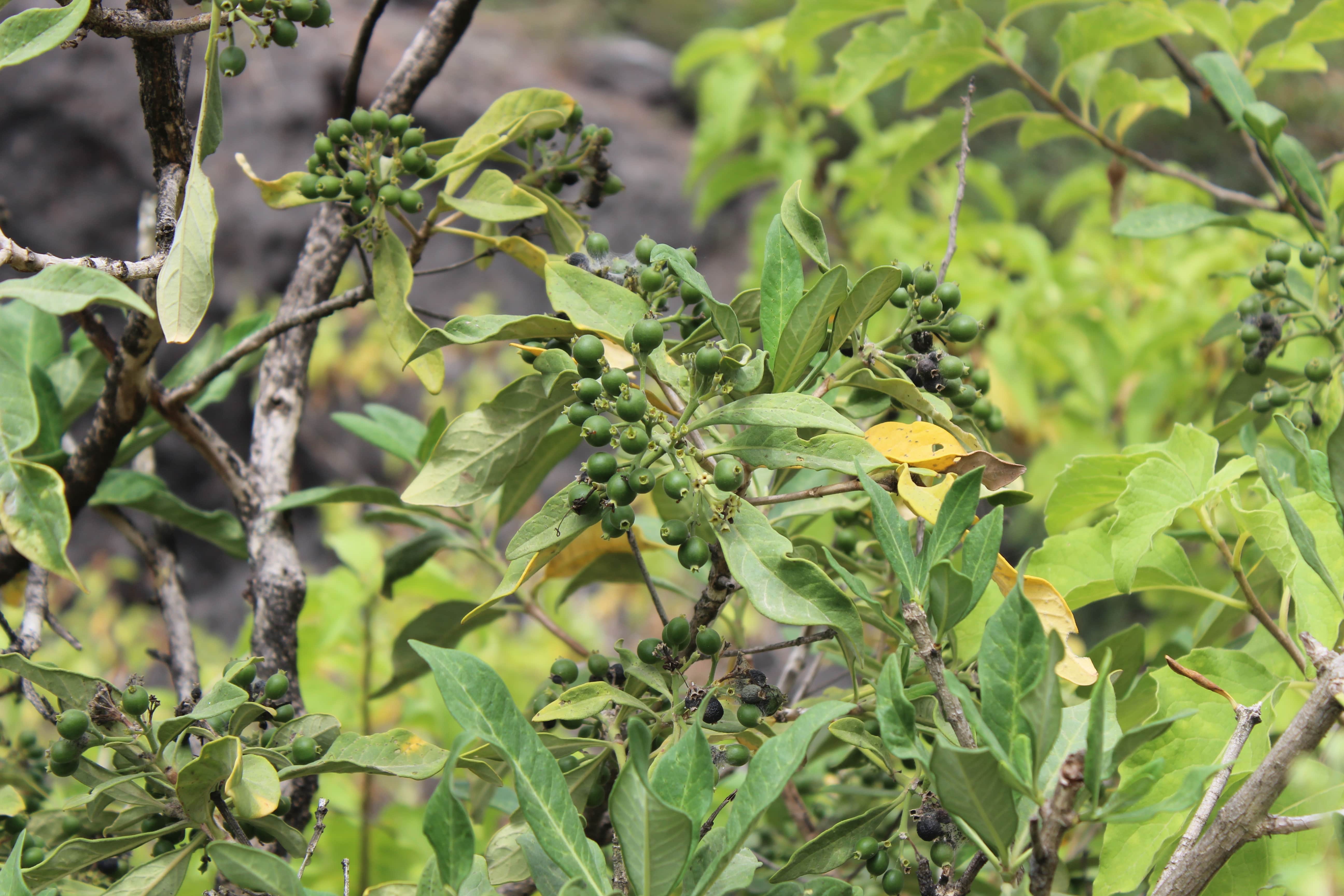
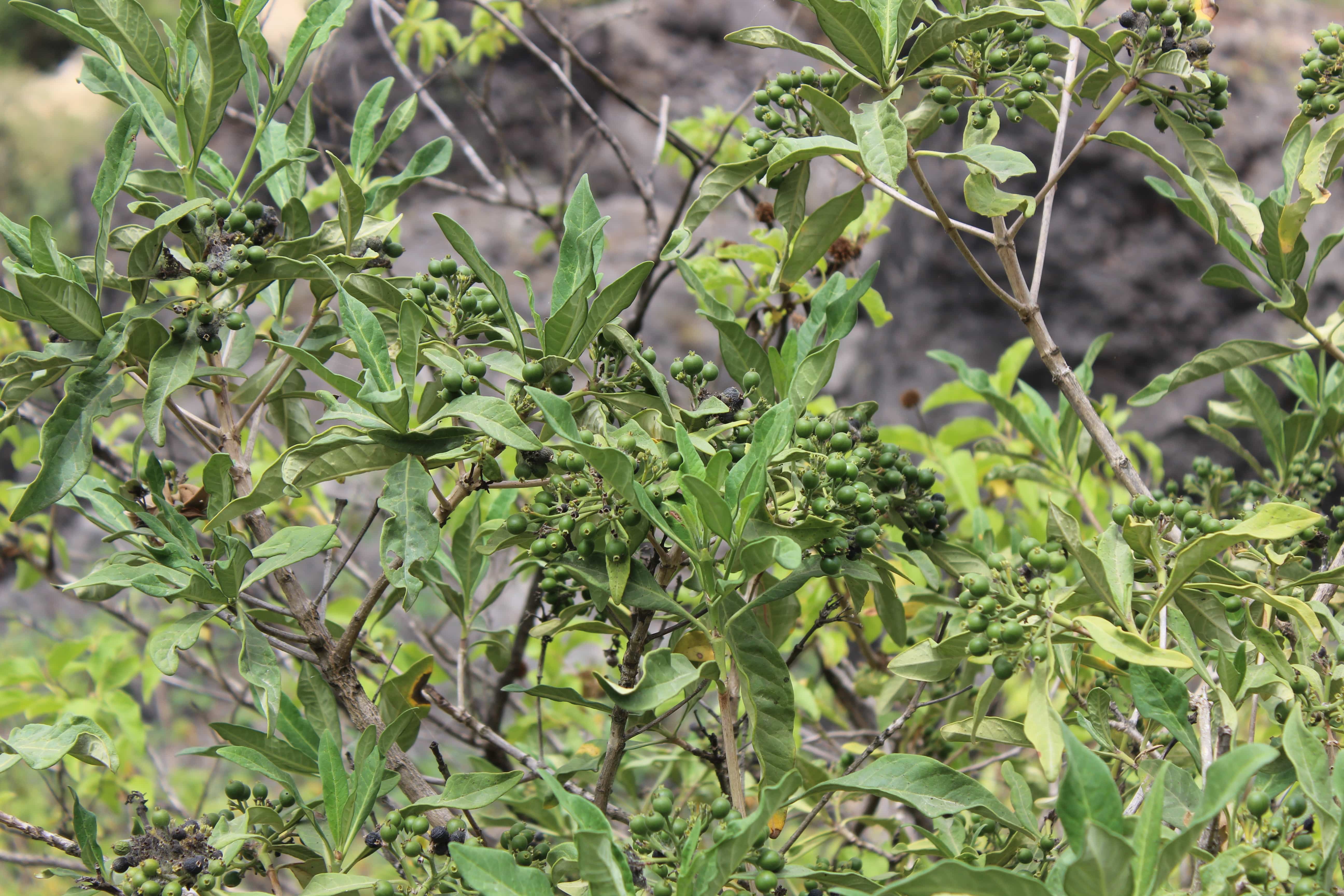
Pavetta_longiflora_2-06082024 © OBG
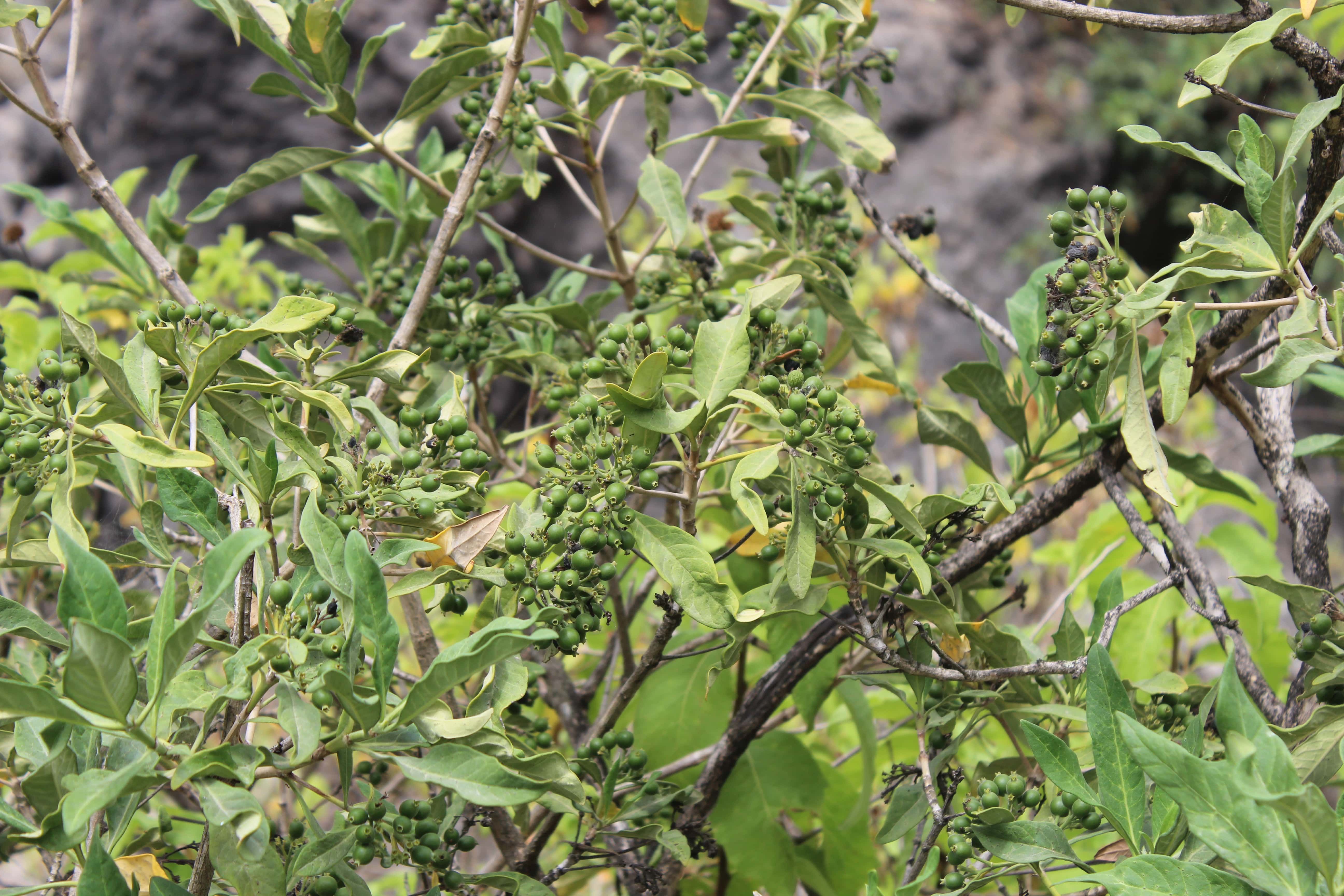
Pavetta_longiflora_3-06082024 © OBG
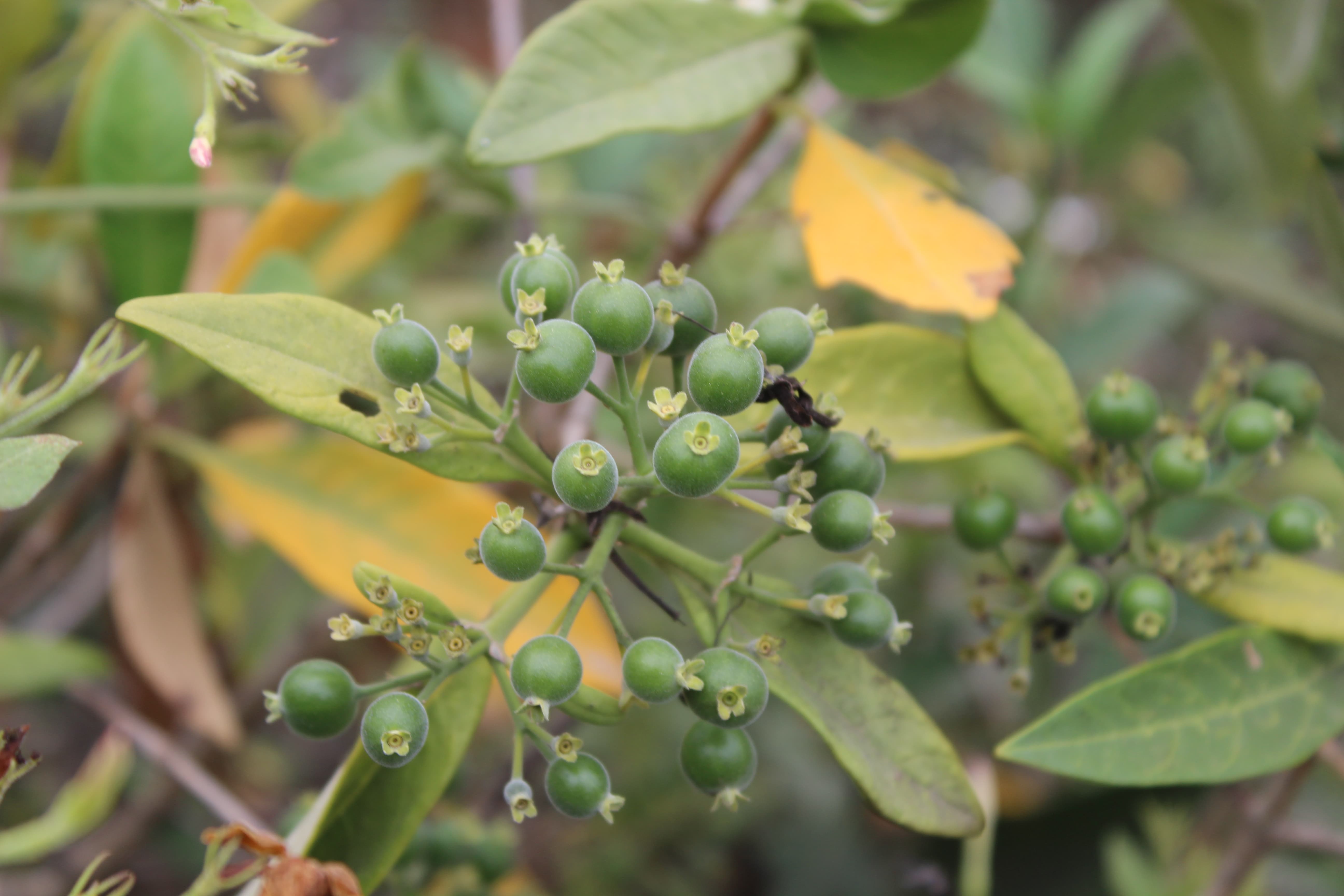
Pavetta_longiflora_4-06082024 © OBG
Pavetta_longiflora_5-06082024 © OBG
Pavetta_longiflora_6-06082024 © OBG
Pavetta_longiflora_7-06082024 © OBG
Pavetta_longiflora-06082024 © OBG
Large shrub ; up to 2(–5) m with a greyish bark . Leaves opposite , 6–7 , narrowly obovate to oblong-ovate , base attenuate , apex acute , margins entire , often inrolled , pubescent beneath , glabrous and shiny above ; petiole 2–2 . 5 mm ; stipules brown , broadly ovate , acuminate . Flowers in terminal corymbose cymes , fragrant ; corolla white , tubular , 4-lobed above . Fruit a fleshy berry , subglobose , with remnants of calyx at the apex , 2-seeded .
No Data
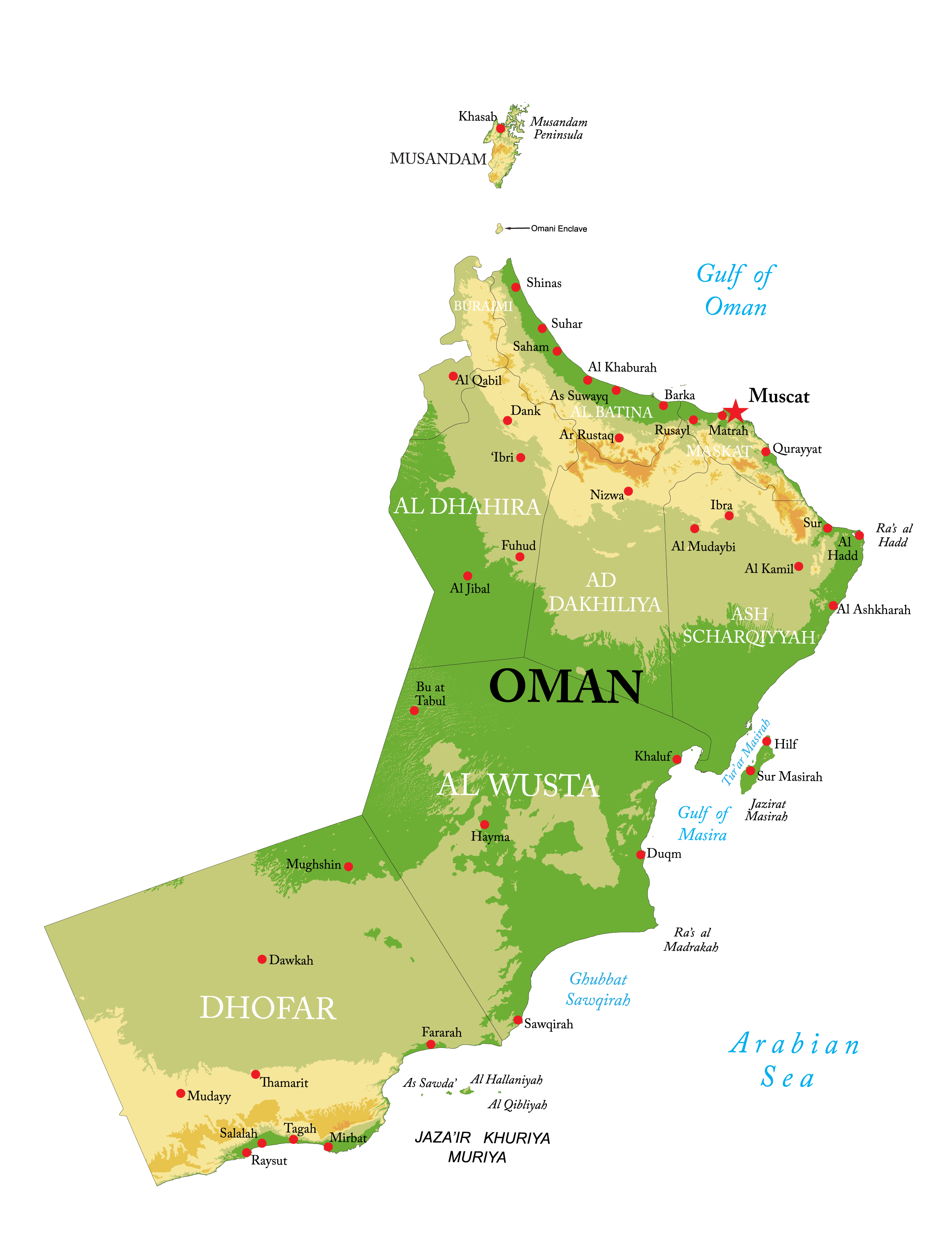
Regional Endemic (RE) - Least Concern (LC) - National Assessment
Frequent
الوصف غير متاح حاليًا
Ixora longiflora (Vahl) Poir.
Pavetta arabica Bremek.
Pavetta deflersii Bremek.
No data
maintenanceAr.Item1
No Data
In traditional medicine the leaves were crushed and rubbed over hands and body as a cleanser (Ref. Flora of Oman). It has the most richly perfumed flowers of all the plants in Dhofar (except perhaps for those of the jasmine) and these flowers are called DA: wurud locally by some, a word usually used to describe the scented rose. The leaves were browsed by camels during the dry season when other fodder was scarce, and were also gathered by herders to feed their flocks of goats. During the rainy season and just after, the large, stronge leaves were useful too as a washing material, and were plucked, crushed and rubbed over the hands and body to scur and clean the skin. The wood makes average firewood and charcoal, but the tree is neither common nor accessible enough to have been important as a source of fuel. Like most of the
...

*Ghazanfar, S. (2015). Flora of the Sultanate of Oman, vol.3: Loganiaceae – Asteraceae. Meise, National Botanic Garden of Belgium (Scripta Botanica Begica, Vol. 25). ISBN 9789082352511 ISSN 0779-2387. *https://en.wikipedia.org *http://www.casabio.org *https://www.zimbabweflora.co.zw *Miller, A., Morris, M. (1988). Plants of Dhofar, the Southern Region of Oman: Traditional, Economic, and Medicinal Uses. Published by Office of the Adviser for Conservation of the Environment, Diwan of Royal Court, Sultanate of Oman; ISBN 10: 0715708082 ISSN 13: 9780715708088. *Patzelt, A. (2015). Oman Plant Red Data Book. Published by Diwan of Royal Court, Sultanate of Oman. Oman Botanic Garden Publication No. 1. ISBN 978-99969-50-10-0. *POWO (2023). ""Plants of the World Online. Facilitated by the Royal Botanic Gardens, Kew. Published on the Internet; http://www.plantsoftheworldonline.org
