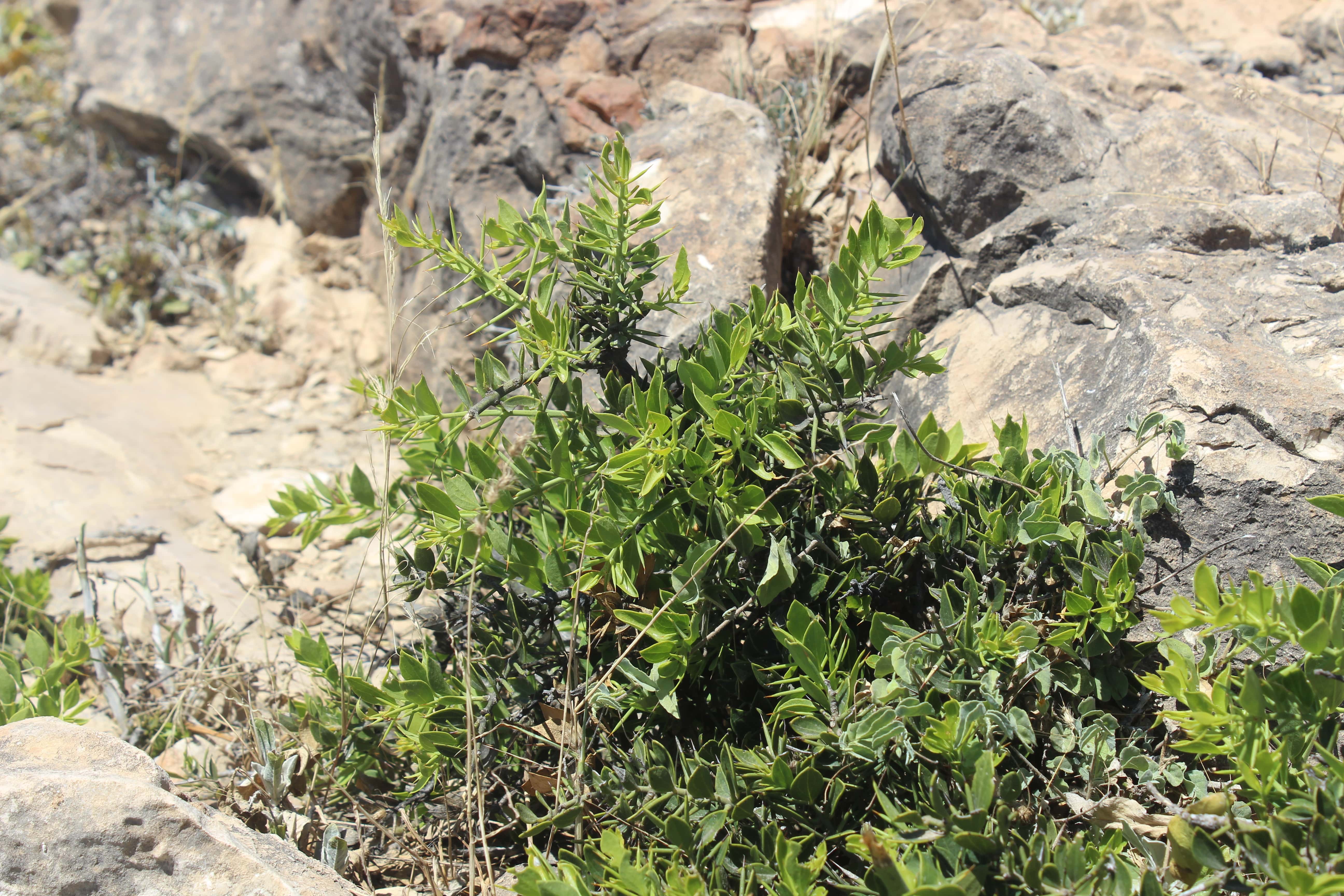
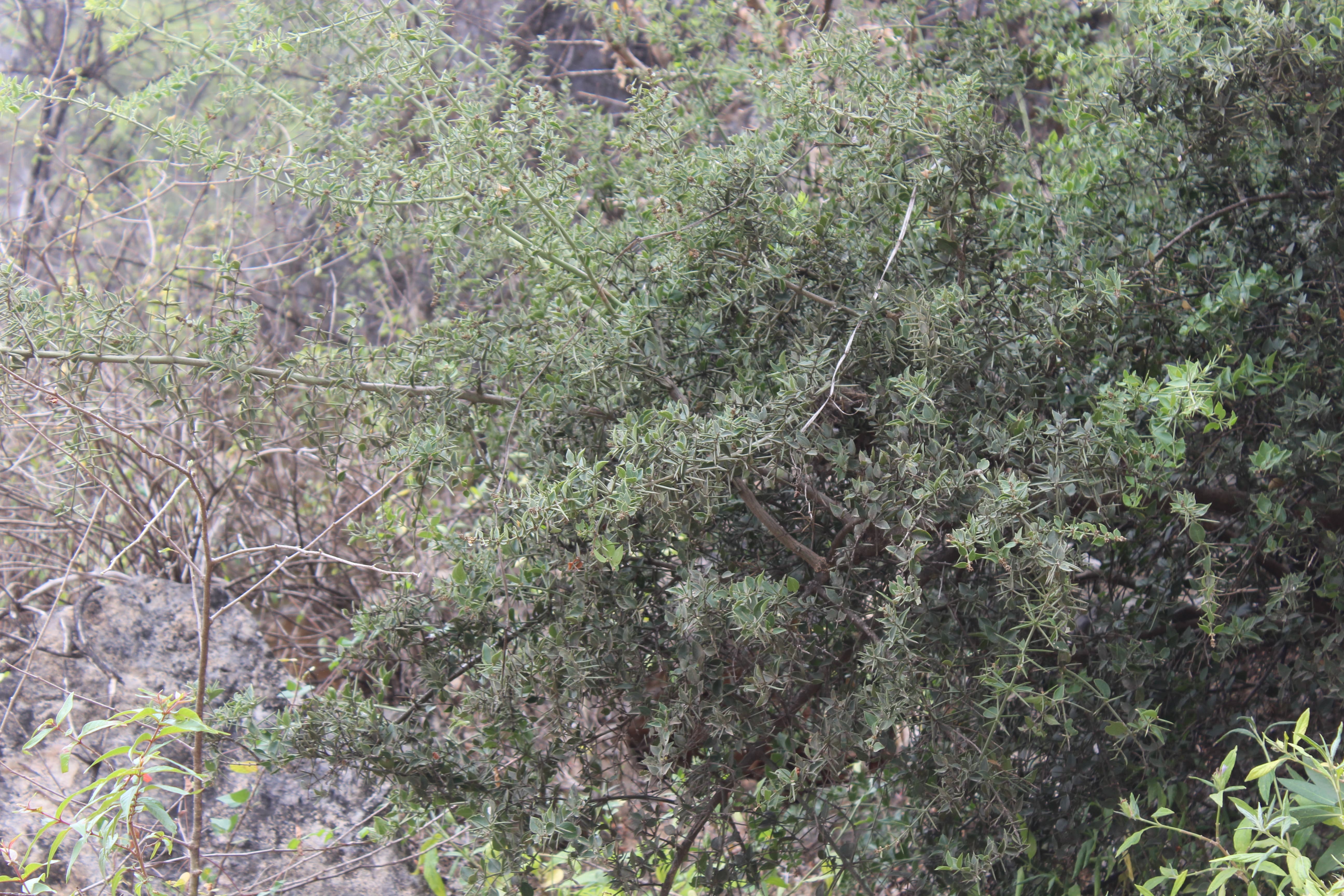
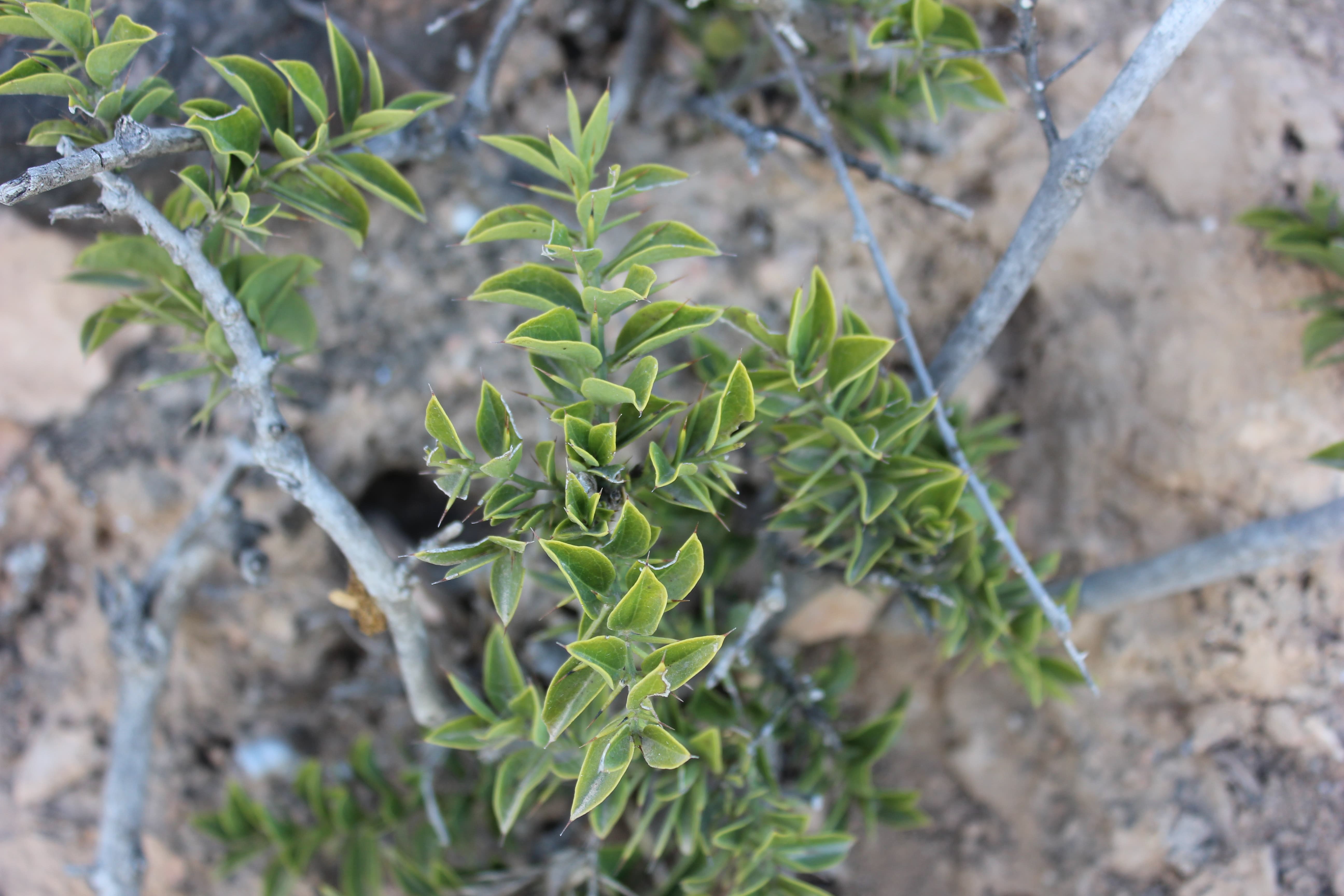
Azima_tetracantha_2-06082024 © OBG
Azima_tetracantha_3-06082024 © OBG
Azima_tetracantha_4-06082024 © OBG
Azima_tetracantha_5-06082024 © OBG
Azima_tetracantha_6-06082024 © OBG
Azima_tetracantha_7-06082024 © OBG
Azima_tetracantha-06082024 © OBG
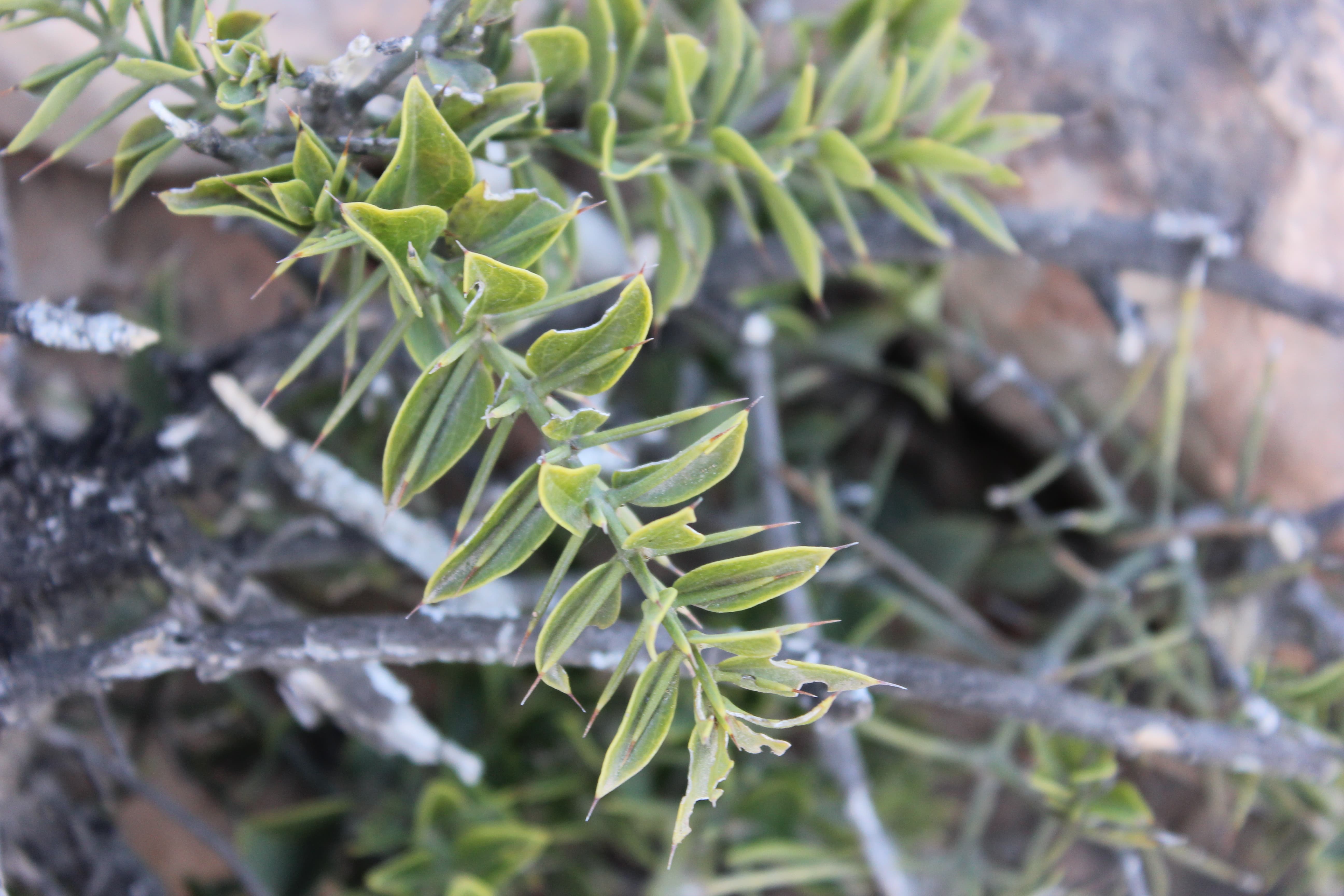
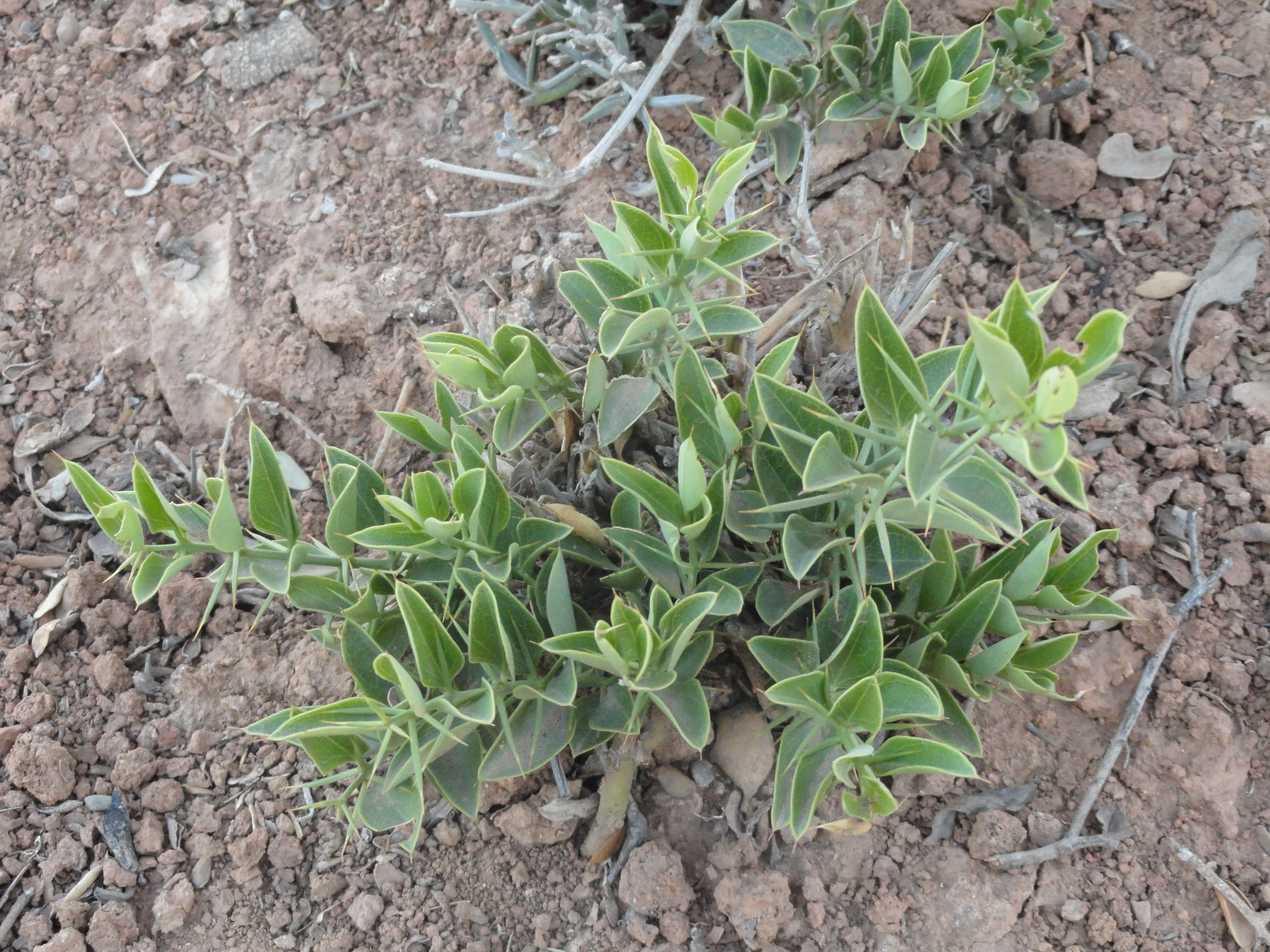
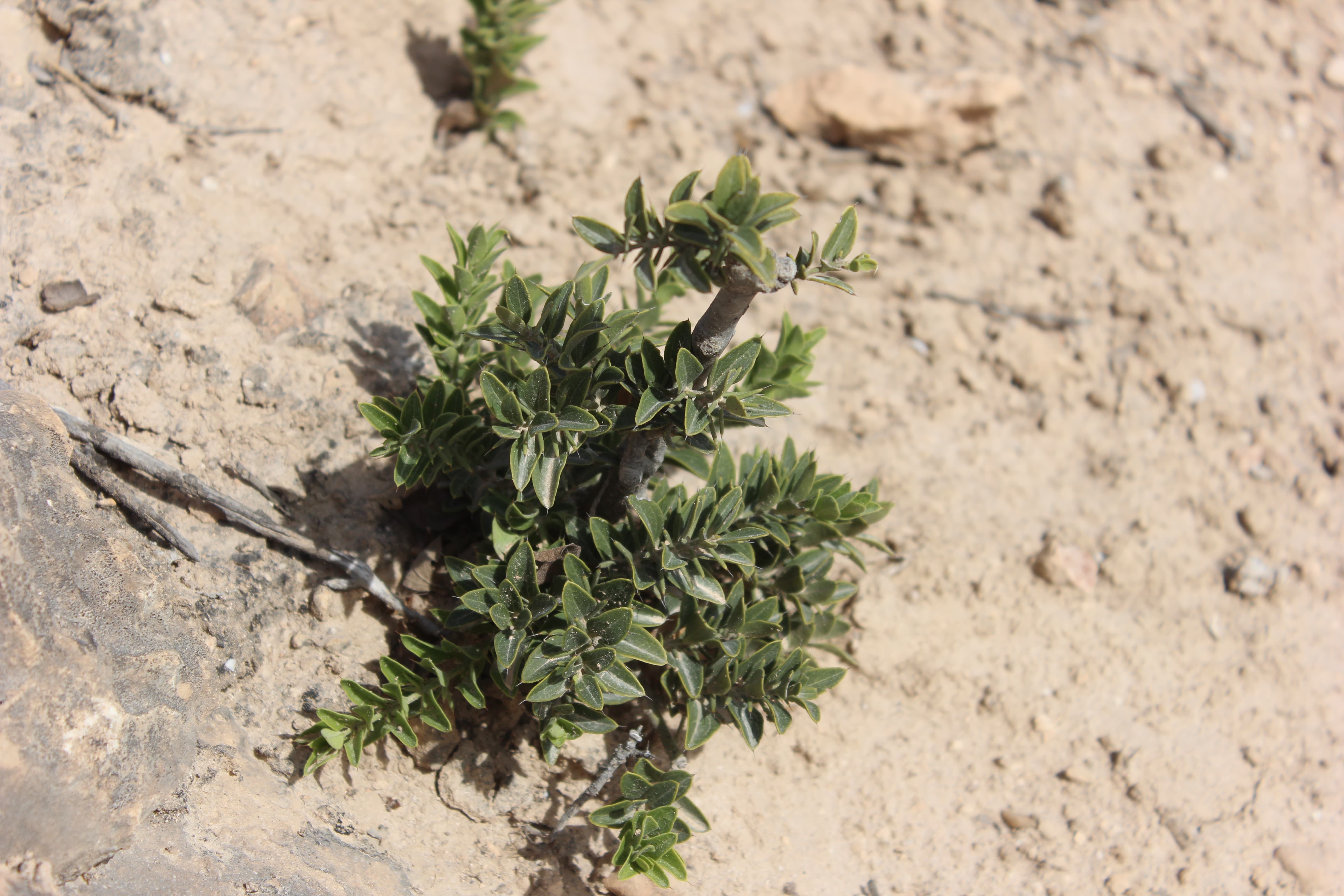
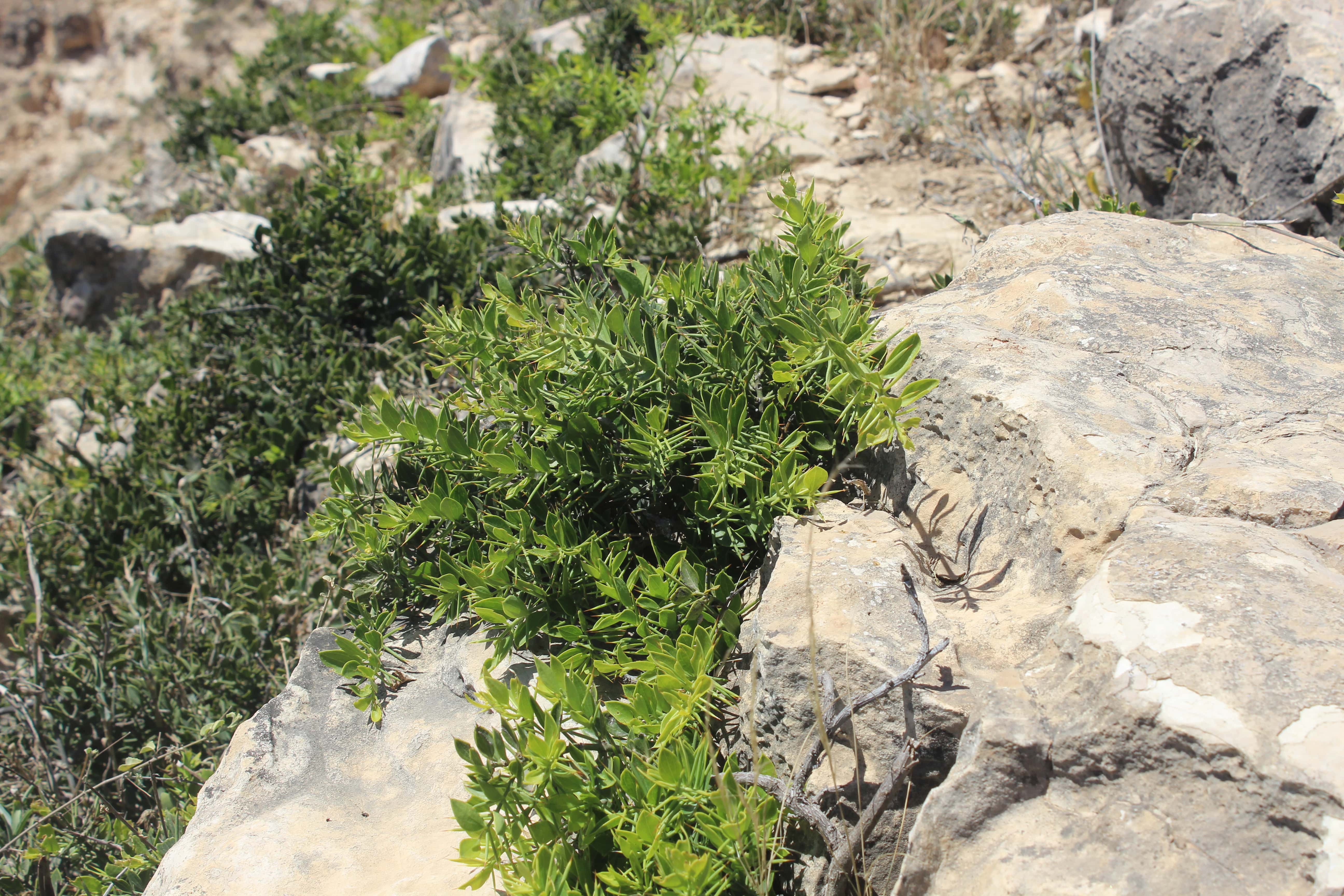
Dioecious . A much branched , tangled , evergreen shrub ; up to 3 m tall , with yellowish-grey bark and spines up to 3 cm . Stems much branched , sometimes scrambling , young branches green and sometimes 4-angled , glabrous , older wood grey ; spines 2-3 cm long , straight , usually arranged in pairs in the axils of each leaf and therefore often appearing as if in whorls of four . Leaves opposite , petiolate , yellowish-green , leathery , sharp-tipped at the apex , elliptic to ovate , apex mucronate , base cuneate , margin entire . Inflorescences in small axillary clusters or short spikes , sessile , often turning into interrupted spikes at the ends of the twigs . Flowers small , cream or yellow-green , sessile , subtended by small spine-tipped bracts ; calyx cup-shaped , c . 2 mm long , 4-lobed , lobes ending in abrupt points ; petals 4 , free , linear-oblong , reflexed . Fruit berry , globose , translucent white when mature , 1-2-seeded . Seeds discoidal , black . (Ref . Flora of Oman ; vol . 2) .
No Data
Not Evaluated (NE)
Not Common
الوصف غير متاح حاليًا
Azima nova J.F.Gmel.
Azima spinosissima Engl.
Azima tetracantha var. laxior C.H.Wright
Azima tetracantha var. pubescens H.Perrier
Kandena spinosa Raf.
Monetia barlerioides L'Hér.
Monetia tetracantha Salisb.
Fagonia montana Miq.
No data
maintenanceAr.Item1
Needle Bush
Mistletoe Berrythorn
Azima
Needle Bush
Bee-sting Bush
Sting Bush
Fire-thorn Bush
Miller & Morris (1988) wrote that: "The shrub is almost entirely constituted of long mean thorns, the green growing tips that appear after rain alone being soft and tractable. This made it most unpleasant to handle, and consequently it was little used to make fencing or livestock pens. It was also unsuitable for this because hungry cattle actually eat it. Its importance in Dhofar indeed lay in this fact - that the newer, softer growth of this shrub is a possible fodder for cattle as well as for the other livestock. In lean years, or during the driest part of the year, branches were cut off the bush and taken to the hungry cows. At the beginning of the rains too, at a time when many other plants were still dormant, or, as in the case of the standing hay from the previous year, made unpalatable by the rains and
...

*Ghazanfar, S. (2007). Flora of the Sultanate of Oman, vol.2: Crassulaceae – Apiaceae. Meise, National Botanic Garden of Belgium (Scripta Botanica Begica, Vol. 36). ISBN 9789072619747 ISSN 0779-2387. *Miller, A., Morris, M. (1988). Plants of Dhofar, the Southern Region of Oman: Traditional, Economic, and Medicinal Uses. Published by Office of the Adviser for Conservation of the Environment, Diwan of Royal Court, Sultanate of Oman; ISBN 10: 0715708082 ISSN 13: 9780715708088. *https://www.zimbabweflora.co.zw *POWO (2022). ""Plants of the World Online. Facilitated by the Royal Botanic Gardens, Kew. Published on the Internet; http://www.plantsoftheworldonline.org
