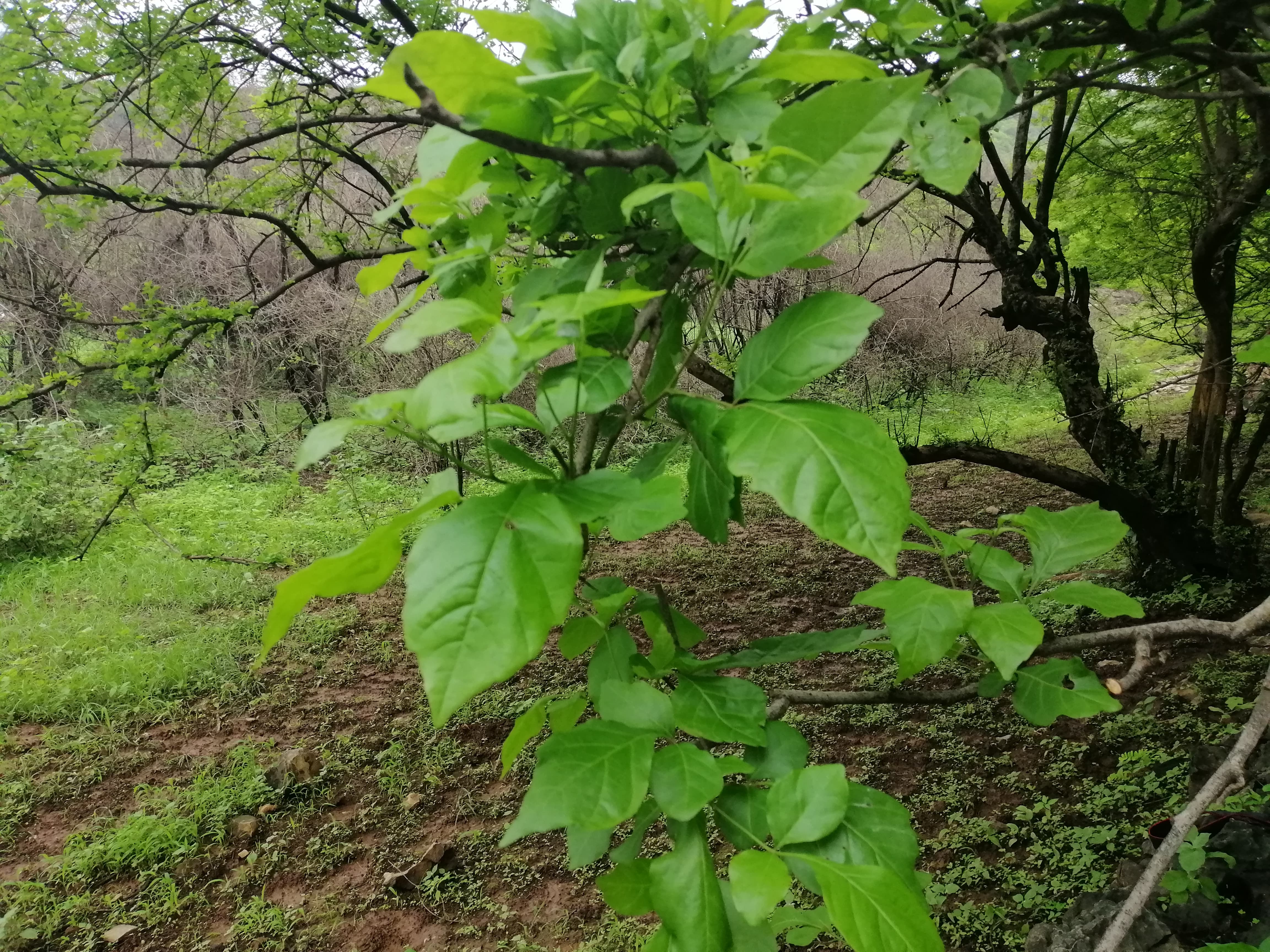
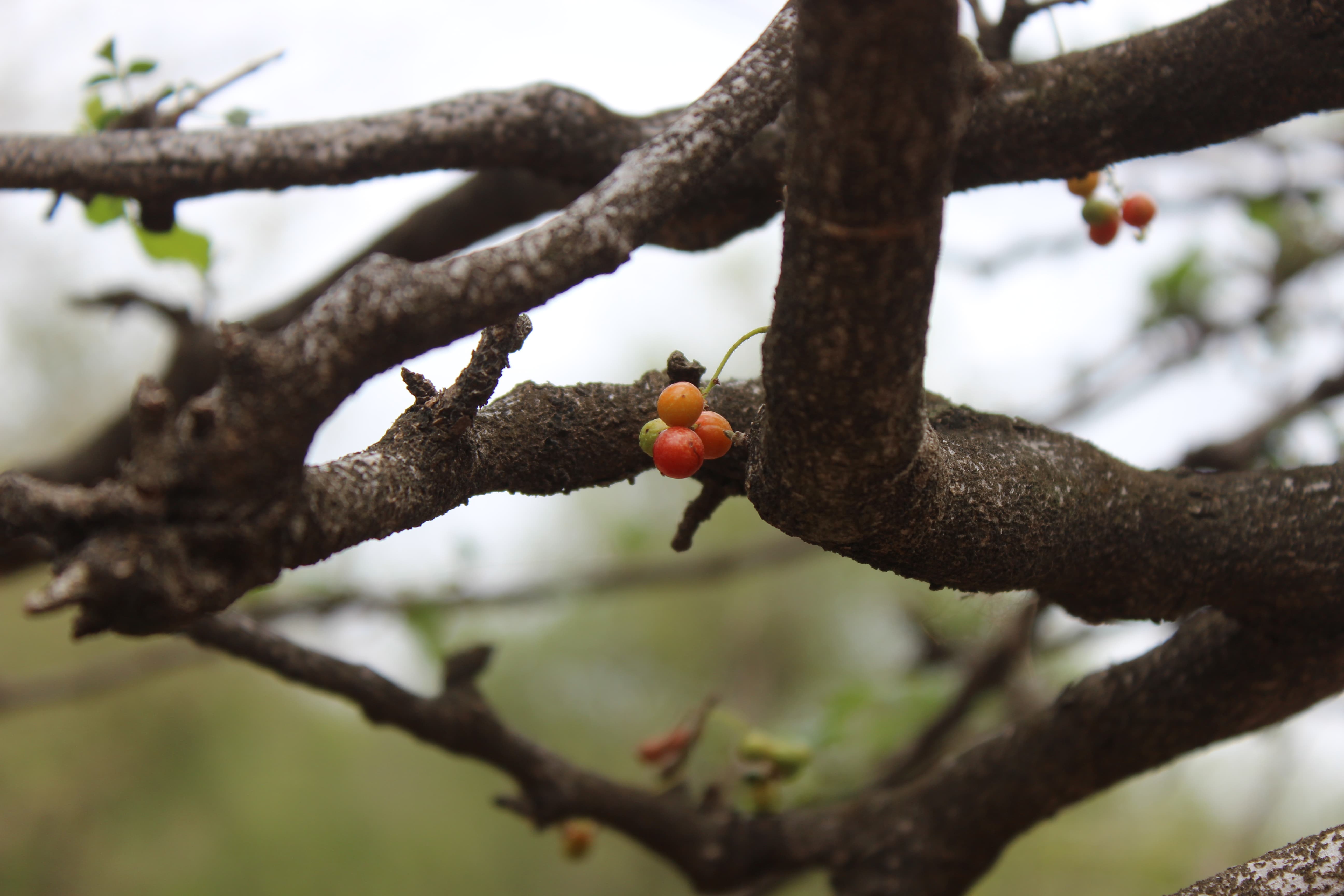
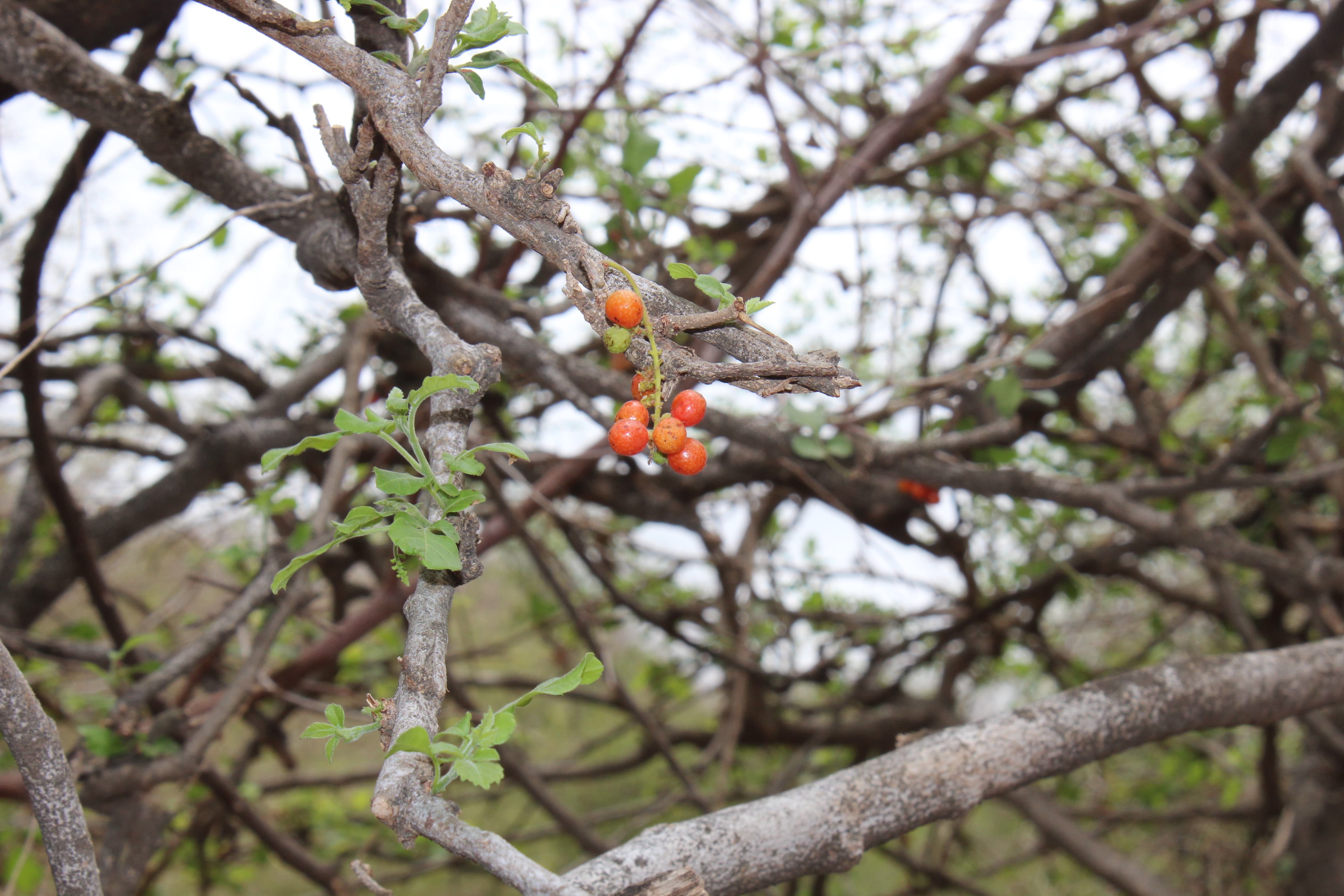
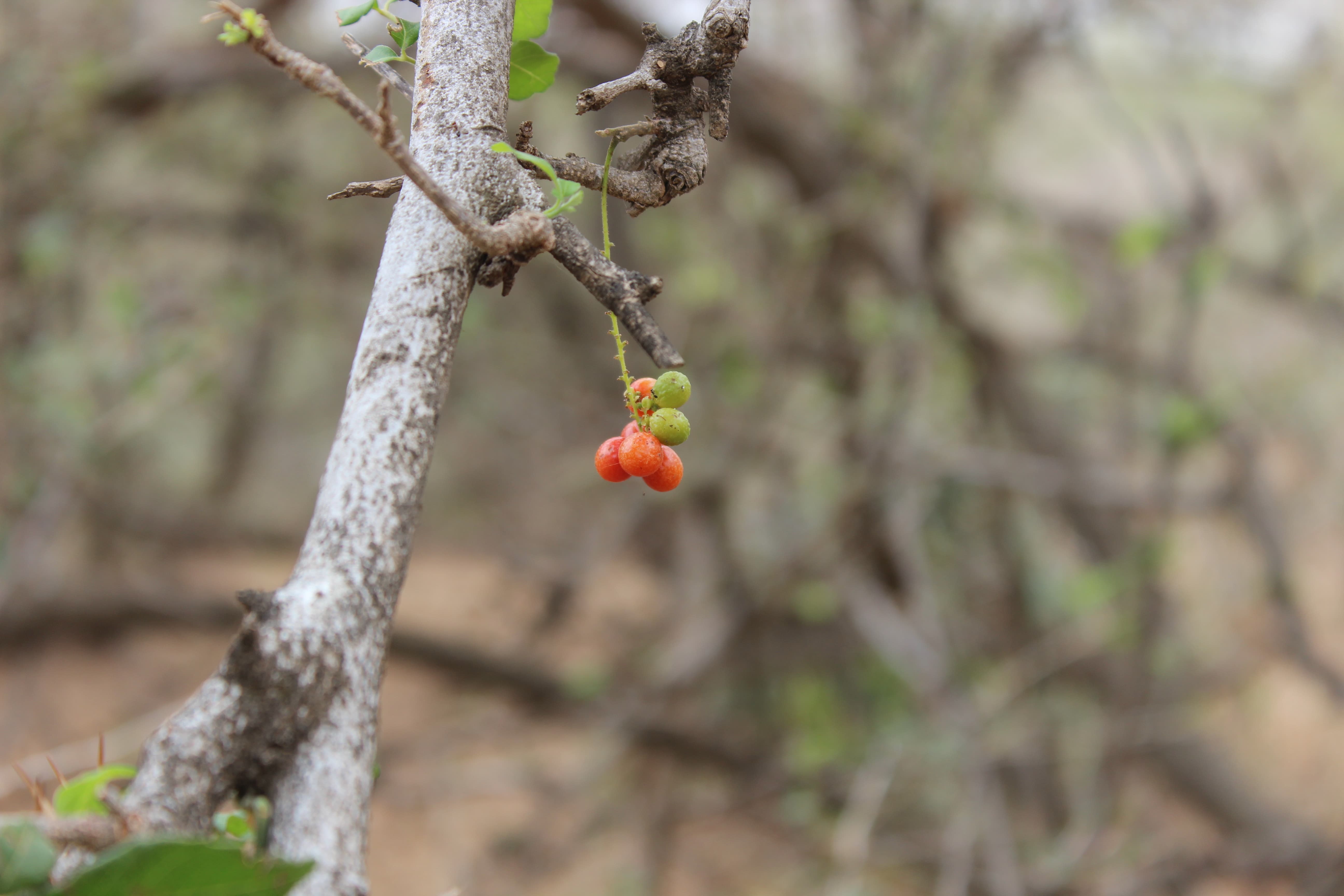
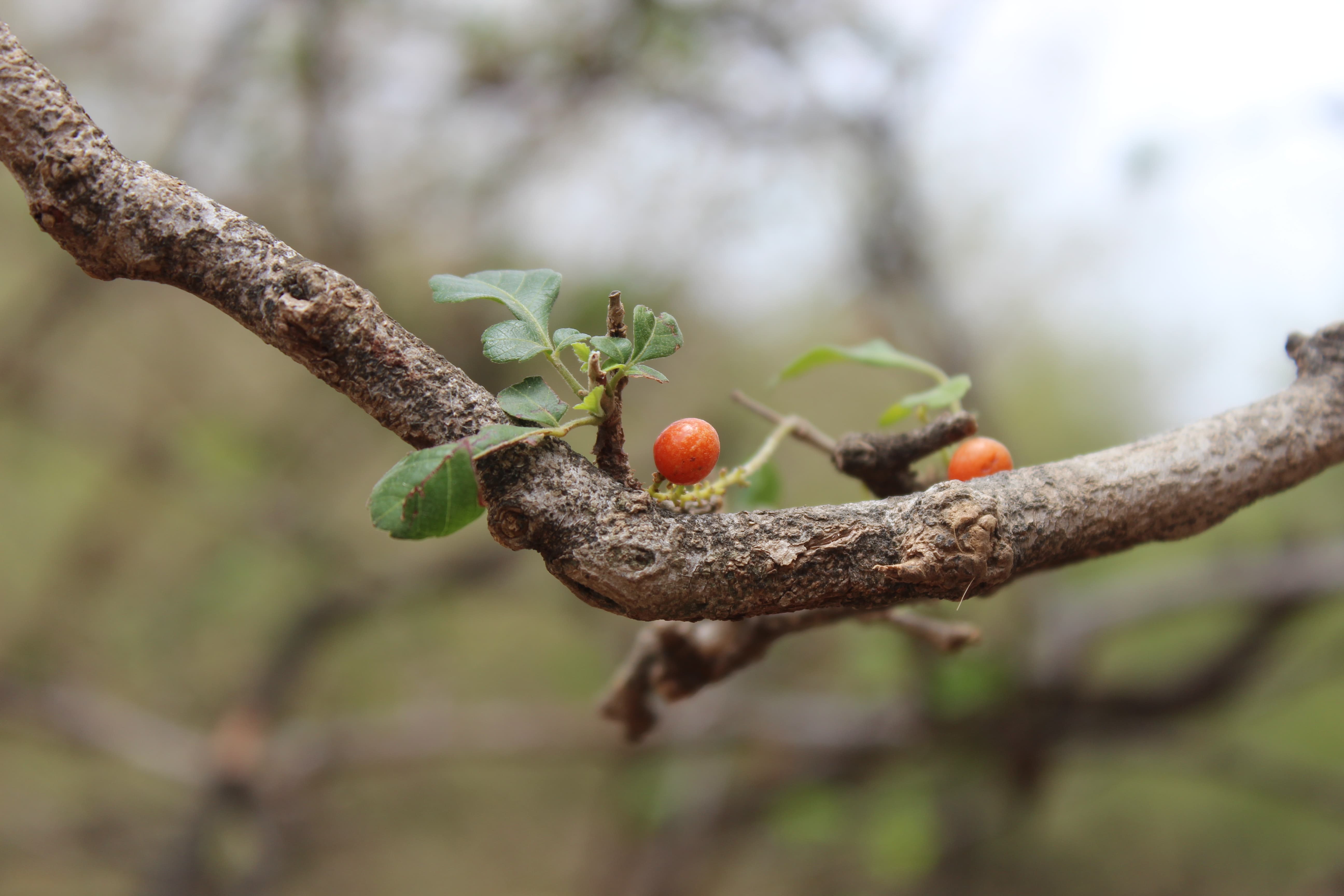
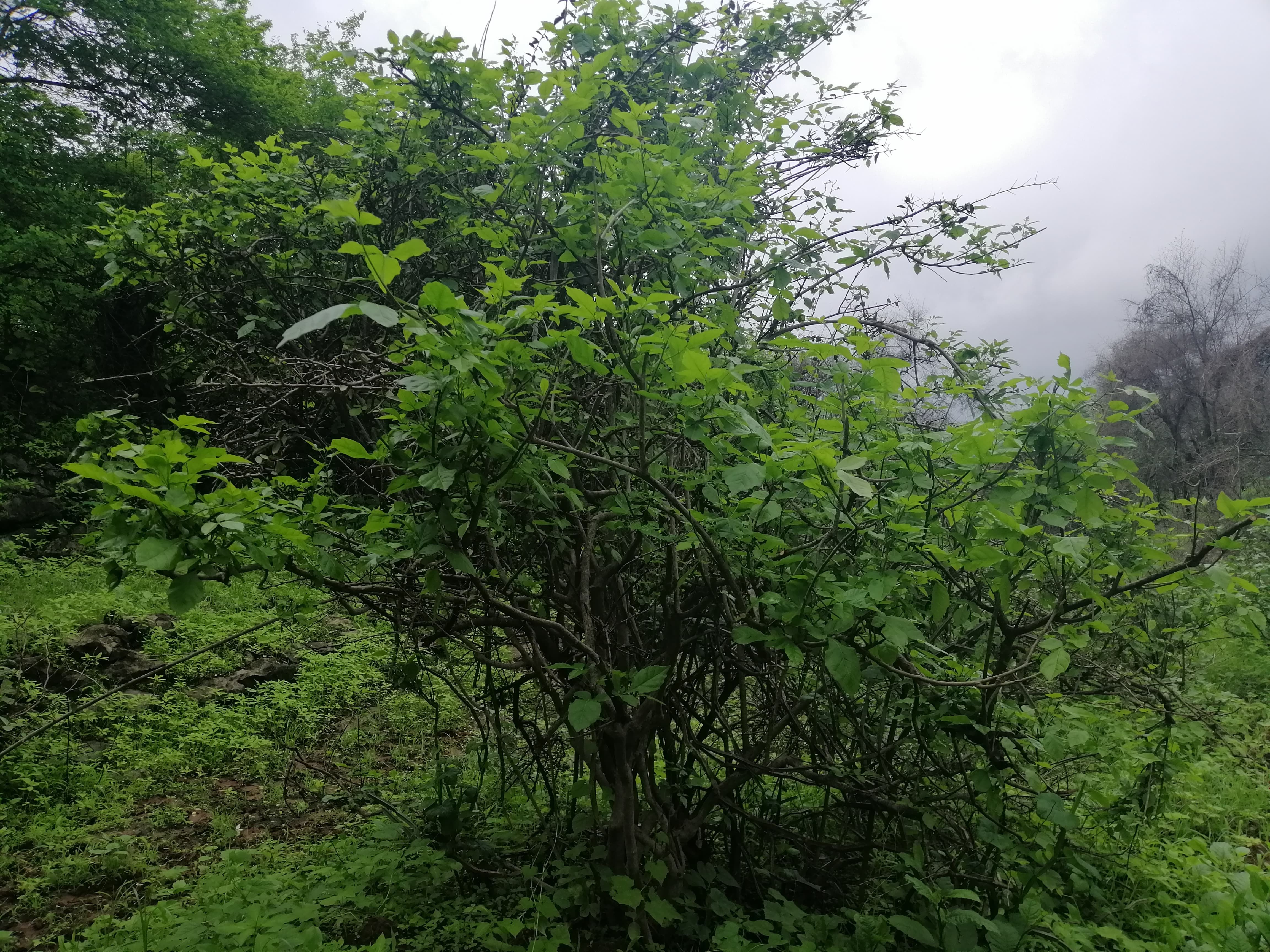
Allophylus_rubifolius_2-06082024 © OBG
Allophylus_rubifolius_3-06082024 © OBG
Allophylus_rubifolius_4-06082024 © OBG
Allophylus_rubifolius_5-06082024 © OBG
Allophylus_rubifolius_6-06082024 © OBG
Allophylus_rubifolius-06082024 © OBG
Dioecious , shrub or small tree ; up to 5m . Bark brown . Leaves trifoliolate , the terminal leaflets larger ; lateral leaflets ovate , margins serrate to dentate , apex acute , base cuneate or rounded , shortly tomentose becoming glabrous above , often reddish tinged . Flowers small , greenish-yellow in 3-5-flowered clusters arranged in axillary racemes , up to 5cm long . Fruit of paired or single (by abortion) drupes , subglobose , pale green .
No Data
No Data
No Data
الوصف غير متاح حاليًا
Schmidelia rubifolia Hochst. ex A.Rich.
No data
maintenanceAr.Item1
Lowveld False Rhus
Like the other summer flowering trees and shrubs, the flowers of this species are an important bee forage, producing a dark, sweet honey. The fruit are very and stringent, but were nonetheless considered to be edible, and indeed to have beneficial restorative and cleansing qualities by some people. The leaves were pounded to a paste and applied to the base of swellings or around an infected wound to draw the pus and speed up the healing process. The wood was exploited as a good building material but trees were never common enough to have been widely used construction. The wood of the longer, straighter branches was considered to be strong and hard enough for the making of the staff or stave that each and every herder used to carry [J: xotrok]. The long branches of the better specimens were also made into crutches, or the double pointed fishing spears, and
...

*Ghazanfar, S. (2007). Flora of the Sultanate of Oman, vol.2: Crassulaceae – Apiaceae. Meise, National Botanic Garden of Belgium (Scripta Botanica Begica, Vol. 36). ISBN 9789072619747 ISSN 0779-2387. *https://en.wikipedia.org *Miller, A., Morris, M. (1988). Plants of Dhofar, the Southern Region of Oman: Traditional, Economic, and Medicinal Uses. Published by Office of the Adviser for Conservation of the Environment, Diwan of Royal Court, Sultanate of Oman; ISBN 10: 0715708082 ISSN 13: 9780715708088. *Gledhill, D. (2008). The Names of Plants. Fourth Edition. Cambridge University Press, UK. ISBN 978-0-521-86645-3 ISSN 978-0-521-68553-5. *POWO (2023). ""Plants of the World Online. Facilitated by the Royal Botanic Gardens, Kew. Published on the Internet; http://www.plantsoftheworldonline.org
