
Erect evergreen shrub or small tree ; up to 2-3 m tall , with roughly fissured , dark brown bark . Stems erect , branched ; young branches reddish brown , glabrous . Leaves alternate , 4-8 x 1-2 cm , obovate to oblong-elliptic , tip acute or sometimes mucronate , base tapering into a very short petiole or sessile , margin entire , dark green , glossy , covered with minute glands producing a sticky substance and giving the plant a varnished appearnce when dry . Inflorescences clustered in the leaf axils . Flowers inconspicuous red/green , dioecious or monoecious (in Dhofar) ; male flowers in axillary and terminal thyrses ; sepals 3(-4) , free , 3-4 mm , broadly ovate ; petals absent ; stamens 8 ; ovary rudimentary ; female flowers in lax axillary thyrses ; pedicels ± 10 mm , elongating in fruit ; sepals and petals as in male flowers ; staminodes absent or obscure ; ovary 3-angled ; styles 3-lobed at tip . Fruit capsule , membranous , pendant , straw-coloured and often reddish-tinged , 3-valved , valves 1-seeded , 3-winged , glabrous . Seeds 3-3 . 25 x
...

No Data
Least Concern (LC) - Global Assessment
Common
الوصف غير متاح حاليًا
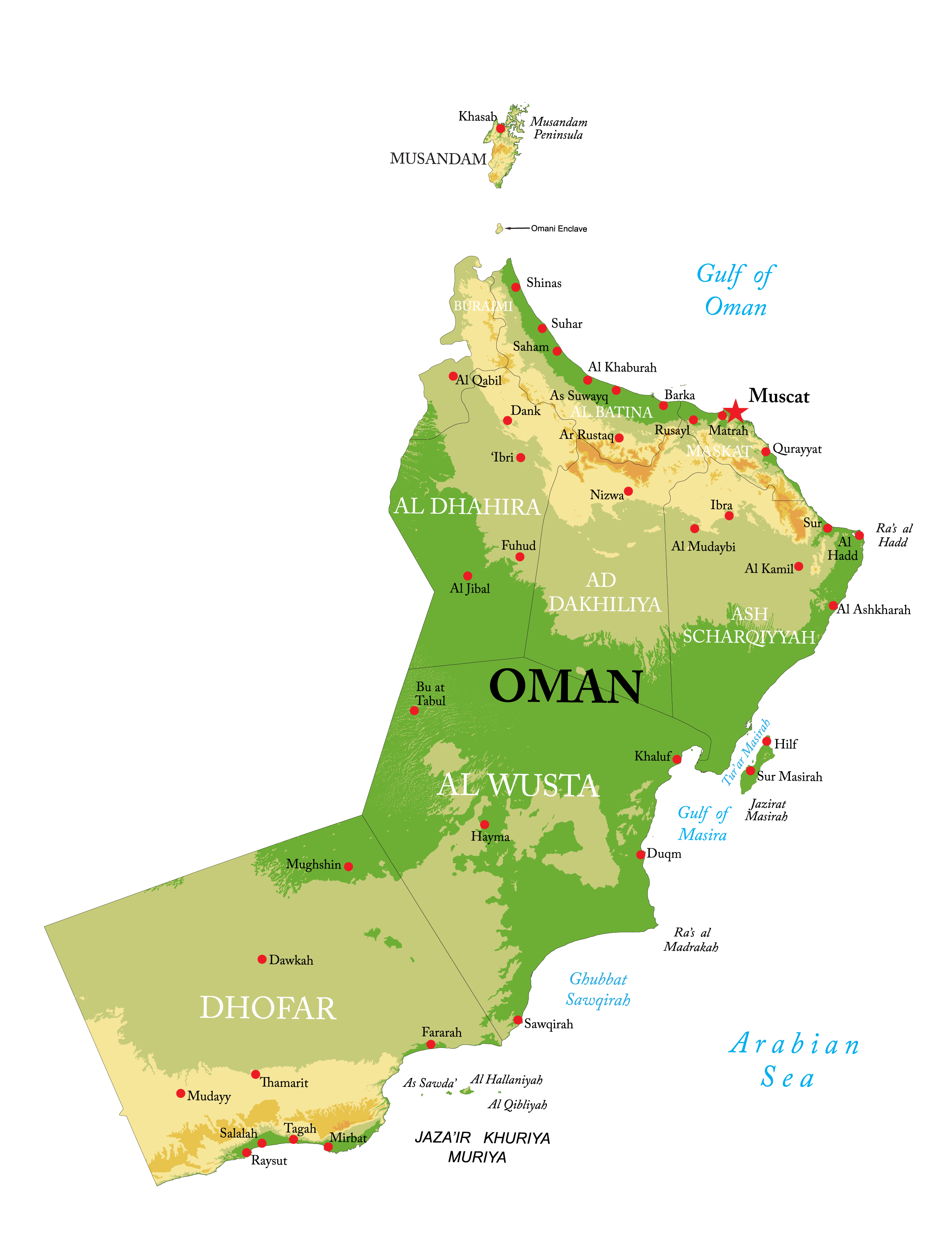
Dodonaea viscosa f. typica Herter
Dodonaea viscosa var. vulgaris Benth.
No data
maintenanceAr.Item1
Hopbush
Broadleaf Hopbush
Florida Hopbush
Candlewood
Giant Hopbush
Narrow Leaf Hopbush
Sticky Hopbush
Native Hop Bush
Soapwood
Switchsorrel
Wedge Leaf Hopbush
Native Hop
In Omani studies: Miller & Morris (1988) wrote that: "Livestock nibble the new growing tips when hungry, and camels browse the foliage during the dry season when there is little other grazing, but the very plentiful flowers are liked by all livestock. The foliage was cut and fed by herders to their animals during the cold, winter season, because the leaves are seen as being ‘hot’, and therefore beneficial to livestock during cold weather. The shrub provides good firewood, and because it grows plentifully almost everywhere in easily accessible places and is also easy wood to cut, it made a popular fuel. The wood burns down to a very fine ash, which was also used as a ‘hot’ snuff, either on its own or added to ground tobacco to make this ‘hotter’. In the days when the seasonal rain-fed agricultural plots were still essential to the survival of the mountain
...
*Ghazanfar, S. (2007). Flora of the Sultanate of Oman, vol.2: Crassulaceae – Apiaceae. Meise, National Botanic Garden of Belgium (Scripta Botanica Begica, Vol. 36). ISBN 9789072619747 ISSN 0779-2387. *https://en.wikipedia.org *Miller, A., Morris, M. (1988). Plants of Dhofar, the Southern Region of Oman: Traditional, Economic, and Medicinal Uses. Published by Office of the Adviser for Conservation of the Environment, Diwan of Royal Court, Sultanate of Oman; ISBN 10: 0715708082 ISSN 13: 9780715708088. *Pickering, H. Patzelt, A. (2008). Field Guide to the Wild Plants of Oman. Kew publishing, Royal Botanic Garden, Kew. ISBN 9781842461778. *Patzelt, A. (2015). Photographic Field Guide to the Plants of the Western Hajar Mountains, Sultanate of Oman: with a complete checklist of vascular plant species. Sultan Qaboos University – Academic Publication and Outreach Department. P.O Pox (17) Postal Code (123), Muscat, Al khoudh, Sultanate of Oman. *POWO (2023). ""Plants of the World Online. Facilitated by the Royal Botanic
...
