
Spiny , intricately branched , deciduous shrub ; up to 2m . Leaves alternate or in clusters , oblong with entire margins . Flowers small , funnel-shaped , white or mauve , in the leaf axils . Fruit red berries with many yellow seeds .
No Data
No Data
Common
الوصف غير متاح حاليًا
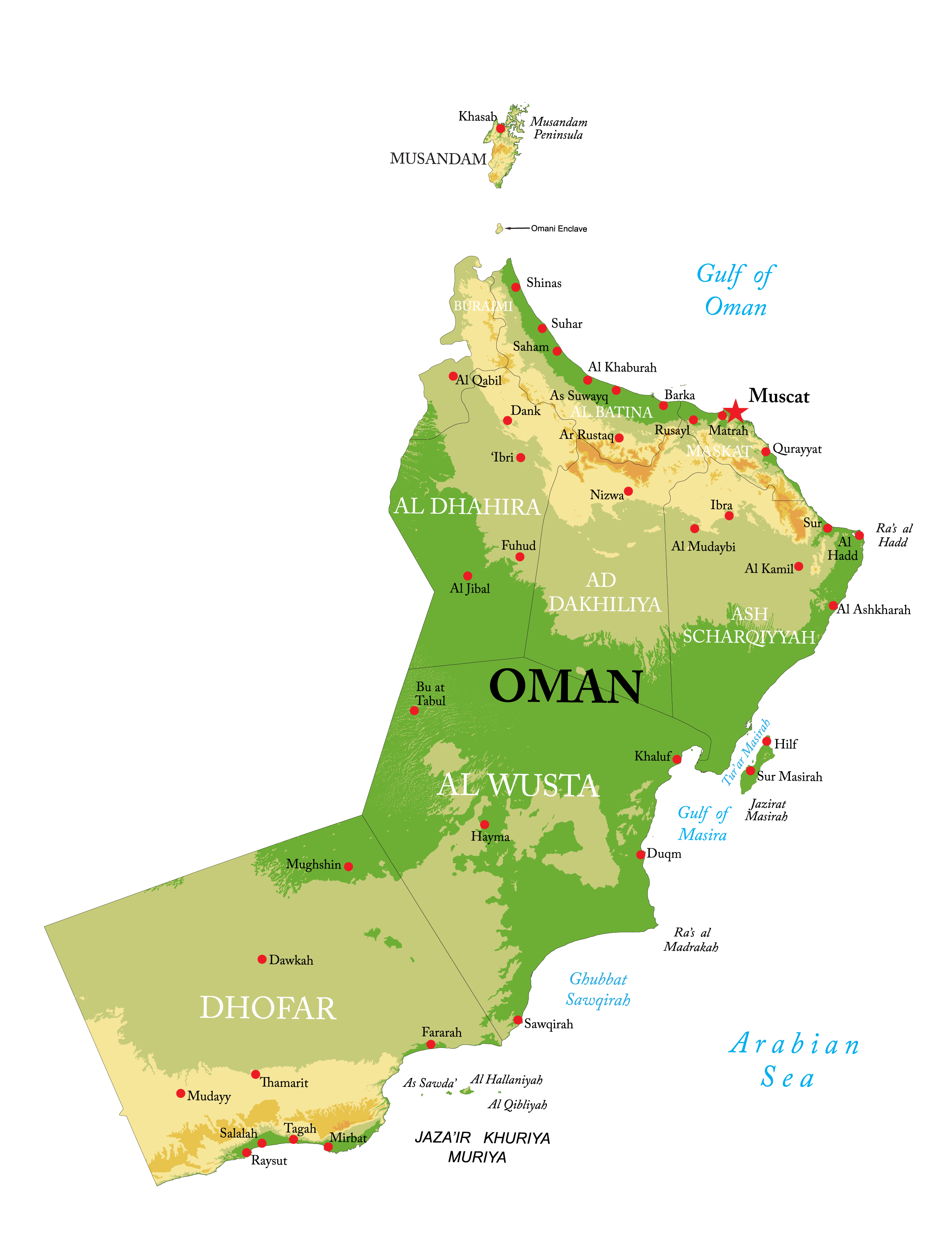
Lycium arabicum Schweinf. ex Boiss.
Lycium persicum Miers
No data
maintenanceAr.Item1
Egyptian Bulrush
The small branches are used to apply the kohl on the eyes. (Ref. Oman Botanic Garden). It is an important camel browse. Goats and cattle are not enthusiastic about its foliage, but eat it when other food is scarce. In camels, who are keen browsers of this shrub, it produces very sweet and rich milk. The fruit were little eaten except by those who believed them to have a soothing effect on stomach pains and discomfort. The wood is a good fuel, making little smoke, but was considered to be of little use for carving implements and utensils or for the making of sticks and clubs. In the north of Oman the fruit and soft growing tips were pounded together and an extraction made to relieve colic and improve the sharpness of the sight. (Ref. Plants of Dhofar). In traditional medicine the fruit and soft growing tips were pounded together
...

*Ghazanfar, S. (2015). Flora of the Sultanate of Oman, vol.3: Loganiaceae – Asteraceae. Meise, National Botanic Garden of Belgium (Scripta Botanica Begica, Vol. 25). ISBN 9789082352511 ISSN 0779-2387. *https://en.wikipedia.org *https://en.wiktionary.org *Miller, A., Morris, M. (1988). Plants of Dhofar, the Southern Region of Oman: Traditional, Economic, and Medicinal Uses. Published by Office of the Adviser for Conservation of the Environment, Diwan of Royal Court, Sultanate of Oman; ISBN 10: 0715708082 ISSN 13: 9780715708088. *Pickering, H. Patzelt, A. (2008). Field Guide to the Wild Plants of Oman. Kew publishing, Royal Botanic Garden, Kew. ISBN 9781842461778. *Richardson, N. Dorr, M. (2003). The Craft Heritage of Oman; vol. 2. Published by Motivate publishing. ISBN 1-86063-1584. *POWO (2023). ""Plants of the World Online. Facilitated by the Royal Botanic Gardens, Kew. Published on the Internet; http://www.plantsoftheworldonline.org
