
Perennial herb with woody base and spines on the stems , stalks and sepals ; up to 1m . Leaves alternate , pale-green , oval-shaped in outline with slightly wavy margins (especially on young leaves) , covered with velvet hairs . Flowers purple-blue to mauve , in the leaf axils , sometimes solitary or in clusters of a few flowers . Fruit round , conspicuous tomato-like , bright yellow , often persists on the plant for a long time ; numerous brown seeds .
No Data
No Data
Common
الوصف غير متاح حاليًا
Solanum sanctum L.
No data
maintenanceAr.Item1
Palestine nightshade
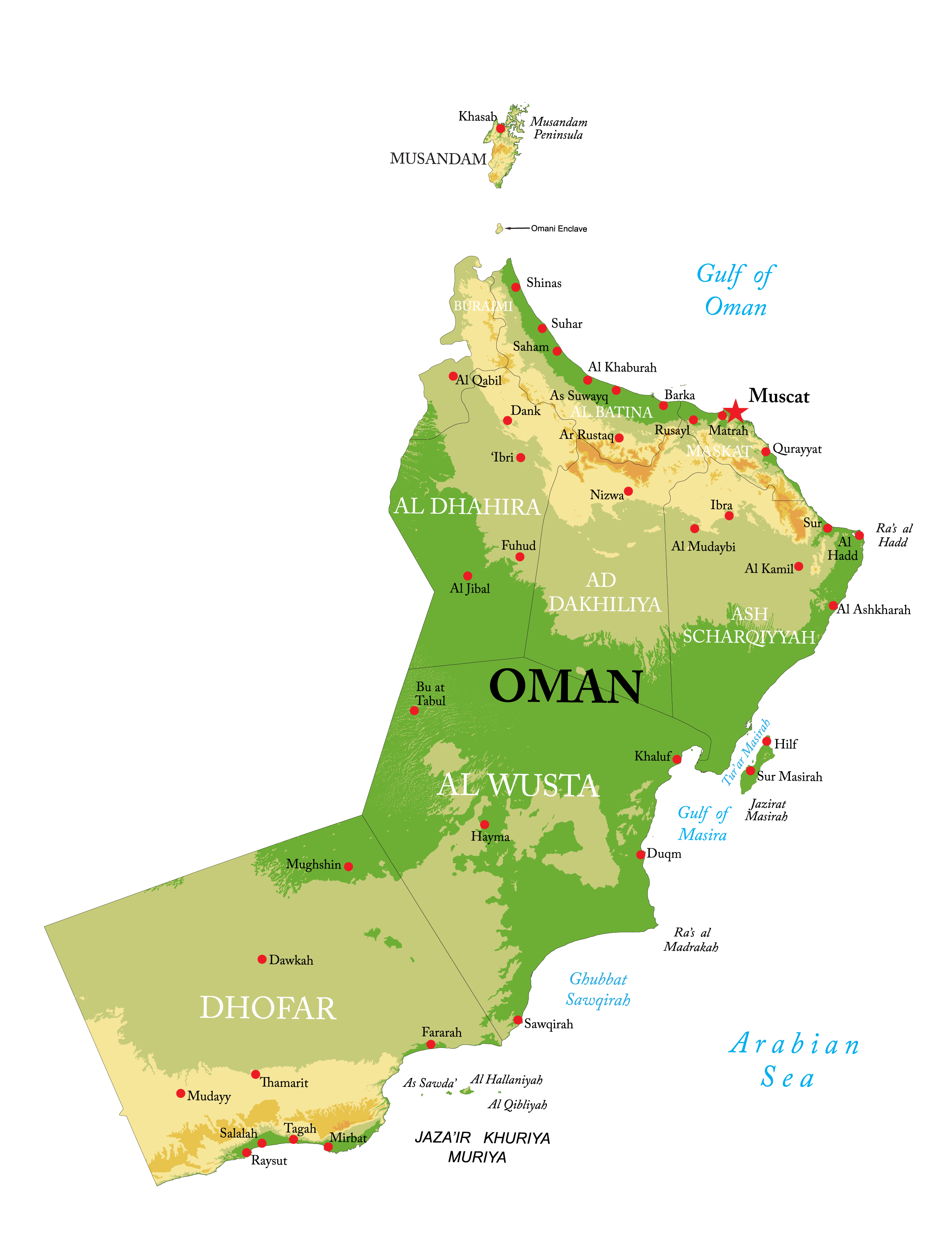
In Southern Oman: The green, tomato-like fruit were gathered and crushed to a paste used to remove the hair from hides before they were tanned. The paste was applied to the skin side of the hide which was then folded and rubbed over a hard surface until well impregnated with the paste, and then the skin was left for the paste to work, and the loosened hair later scraped off with a sharp stone or the back of a knife. The immature, green fruit were also collected and fed to goats when there was little else to eat. The fruit were used to treat toothache. The seeds of the ripe yellow fruit were put into a container which was holed at the top and bottom, and some animal fat [J: sabh] added. The container was then held over a fire and the smoke was inhaled by the patient from the
...

*Ghazanfar, S. (2015). Flora of the Sultanate of Oman, vol.3: Loganiaceae – Asteraceae. Meise, National Botanic Garden of Belgium (Scripta Botanica Begica, Vol. 25). ISBN 9789082352511 ISSN 0779-2387. *https://en.wikipedia.org *https://www.nzpcn.org.nz *https://casabio.org *Miller, A., Morris, M. (1988). Plants of Dhofar, the Southern Region of Oman: Traditional, Economic, and Medicinal Uses. Published by Office of the Adviser for Conservation of the Environment, Diwan of Royal Court, Sultanate of Oman; ISBN 10: 0715708082 ISSN 13: 9780715708088. *Pickering, H. Patzelt, A. (2008). Field Guide to the Wild Plants of Oman. Kew publishing, Royal Botanic Garden, Kew. ISBN 9781842461778. *Patzelt, A. (2015). Photographic Field Guide to the Plants of the Western Hajar Mountains, Sultanate of Oman: with a complete checklist of vascular plant species. Sultan Qaboos University – Academic Publication and Outreach Department. P.O Pox (17) Postal Code (123), Muscat, Al khoudh, Sultanate of Oman. *POWO (2023). ""Plants of the World Online. Facilitated by the
...
